
1-805-484-2992
Quotes - Engineering - SalesThe product gets thicker at every step
Plate on the mix, tube on the curd, scraped surface on cold pack
Cream cheese starts as a blend of milk and cream standardized to roughly 8–14 percent fat. That mix is thin, so it is pasteurized, warmed to about 131°F for the homogenizer and cooled to culturing temperature, about 72–82°F, on a plate frame like any high-fat milk. Fat at that level is what drives the gasket choice on the mix frame, and it is the same frame a plant would use for a cream or a high-fat blend.
After 12–16 hours the culture has set the mix into a gel. That curd is heated to about 171–180°F before the separator draws off the whey, and this is the duty that decides the equipment. A cultured gel loses body under shear and burns onto a hot plate, so it goes through corrugated or multi-tube tubular exchangers with hot water on the shell side and a wall only a few degrees above the product.
The finished cheese is either hot filled and cooled in the package, or cooled first and packed cold. Cooling a product this thick and this sticky is where a scraped-surface heat exchanger takes over from a tube. Which route a plant takes decides how much cooling surface the line needs.
See the Corrugated Tube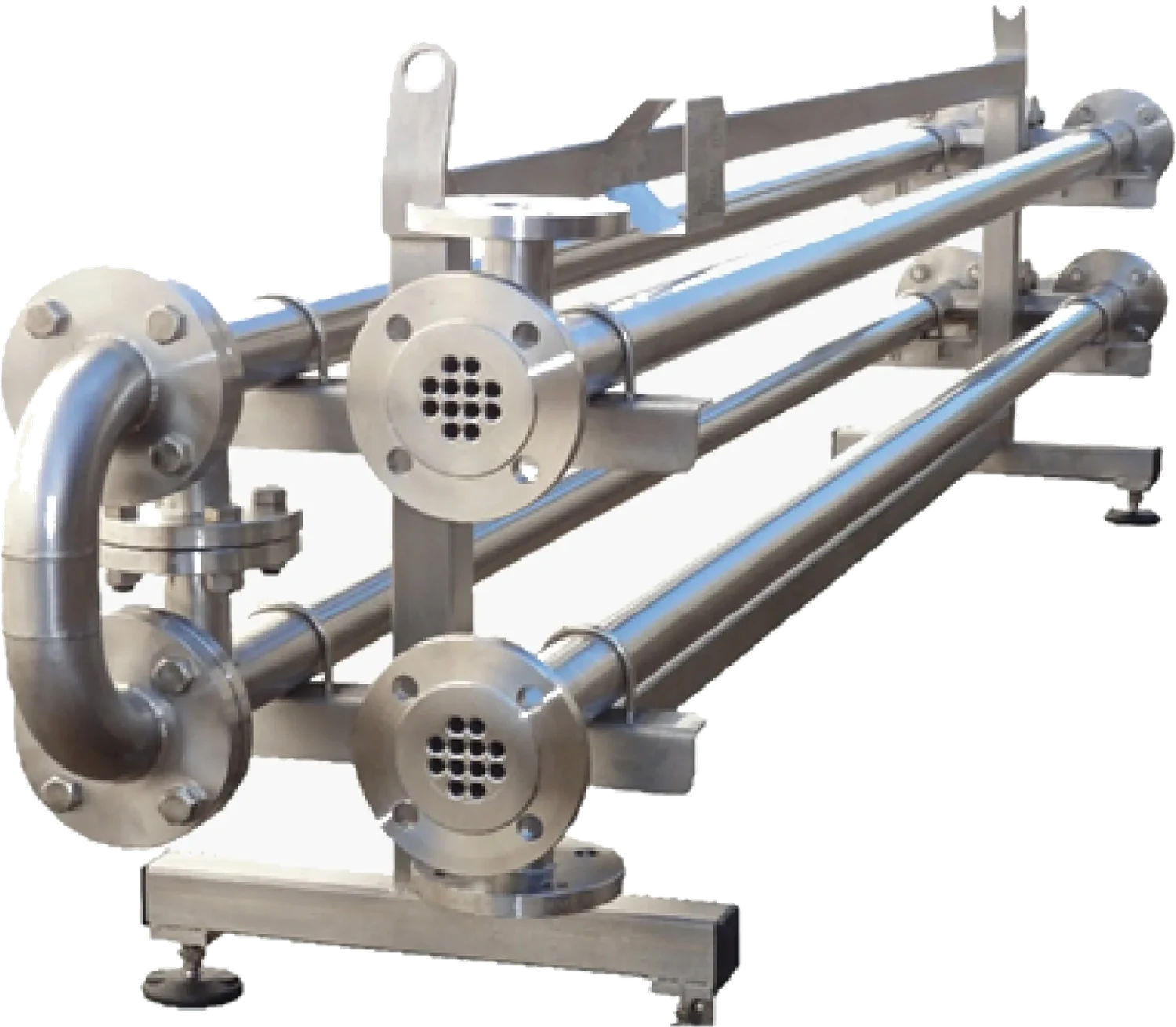
Typical cream cheese duties
These are starting figures. Fat, protein and the separation method move every one of them, so send the plant's recipe range and the filler's temperature limits.
| Step | Typical duty |
| Mix fat | about 8–14 percent |
| Mix pasteurizing, 10% fat or more | 166°F for 15 seconds |
| Homogenizer feed | about 131°F |
| Cool to culturing | about 72–82°F |
| Culturing time | 12–16 hours |
| Curd heating | about 171–180°F, tubular |
| Hot fill | filled hot, cooled in the package |
| Cold pack | cooled before filling, scraped surface |
| Gaskets on the mix frame | NBR or HNBR at cream cheese fat |
Getting each step right
The mix frame
Products with 10 percent fat or more are pasteurized at 166°F for 15 seconds on a continuous line, five degrees above milk. The mix then has to come off the frame warm for the homogenizer and cool again for the culture tank, so a cream cheese mix frame often carries a regenerator, a heater, a homogenizer loop and a cooler to culturing temperature. Fat at this level swells EPDM, so the gaskets are NBR or HNBR.
Heating the curd without losing body
The cultured curd is a weak gel. Pumped hard through a narrow channel it thins, and on a hot wall it fouls in minutes. Corrugated tubes give turbulence at low velocity, so the curd gains heat without being sheared, and hot water held a few degrees above the product keeps the wall from scorching it. We size the length from the curd's viscosity curve hot and cold, which the plant's lab or the culture supplier can usually provide.
- Curd flow and its viscosity at culturing and at heating temperture
- Target temperature ahead of the separator or ultrafilter
- Hot water supply temperature and how close it may run
- Run length the make day needs between cleanings
Hot fill or cold pack
Hot filling keeps the line simple: the cheese leaves the mixer hot, fills and cools in the package, often in a cooling tunnel. Cold pack cools the cheese before filling, which lets the plant use packaging that will not take heat, but it means cooling a sticky product that stiffens as it cools. A tube struggles there; the scraped-surface unit keeps the wall clean while the product sets.
Cream cheese questions
Only on lighter products. A wide-gap channel passes fibers and some body, but its contact points still shear a cultured gel, and a hot plate wall fouls quickly with protein this concentrated. Most plants put the curd through corrugated or multi-tube units and keep plates for the thin mix ahead of the culture tank.
The curd carries concentrated protein and very little free water, so a wall much hotter than the product bakes a film on in minutes. Holding the hot water only a few degrees above the outlet, and keeping velocity steady, slows that film. Tell us the run length the plant needs and we size length and water temperature to hold it.
Usually not. Hot-filled cream cheese is cooled in the package, so the exchanger work ends with heating the curd and holding temperature to the filler. A scraped-surface cooler earns its place on cold pack, where the cheese has to be cooled before filling and stiffens on the way down.
Often, if the tubular heater and the mix frame are sized at both ends of the recipe range. Dips are usually lower in fat and thinner, so they heat faster and foul less. Send both recipes and the hours each runs, and we size for the harder of the two and note the turndown for the other.
The mix fat and solids, the flow at each step, the culturing temperature, the curd temperature ahead of the separator or ultrafilter, and whether the finished cheese is hot filled or cold packed. A viscosity curve for the curd and the finished cheese, hot and cold, is the single most useful figure. Send the hours of the make day and the cleaning interval as well.
Related
Dairy Solutions
Cheese Milk
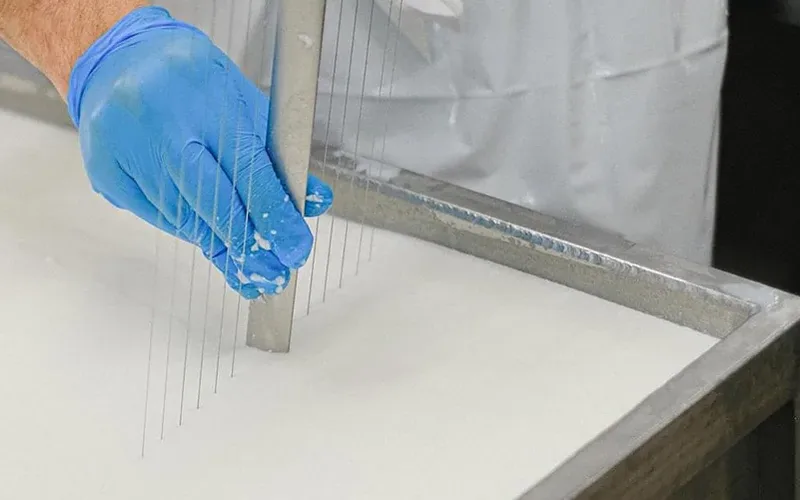
Cheese milk heat exchanger for pasteurizing or thermizing, then trimming the milk to vat set temperature. Plate frame sizing, regeneration and outlet control.
+ Learn More
Dairy Solutions
Yogurt & Cultured Product
Tube in tube yogurt cooling after the break, plus plate heating of the milk base to 185–195°F and cooling to incubation temperature.
+ Learn More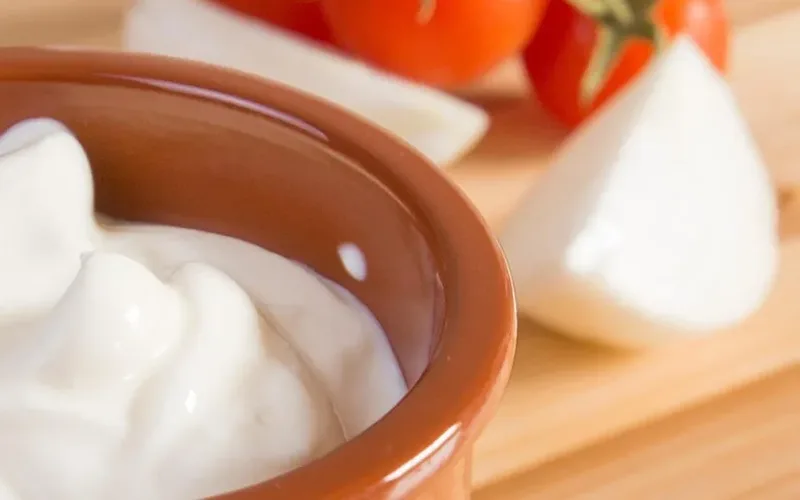
Dairy Solutions
Sour Cream
Sour cream processing heat exchangers: NBR-gasketed plate to pasteurize the cream and reach culture temperature, tubular cooling once it has cultured.
+ Learn More