
1-805-484-2992
Quotes - Engineering - SalesRenewing tubular dairy equipment
Tubular dairy exchangers are renewed in one of two ways. Where the design has a removable bundle and the shell is sound, a new bundle goes into the old shell. Where the unit is a welded assembly, as most tube-in-tube is, or the shell itself is past saving, the answer is a complete new unit built to sit on the same supports and meet the same piping.
Footprint, connections, duty
Either way, the starting point is the duty the unit runs now. A tubular unit is usually on the line because the product carries pulp or pieces, or because it runs at UHT temperatures and pressures a plate pack cannot hold, and the replacement has to respect that. A drop-in that matches the bolt holes but not the shear limit or the pressure rating is no replacement at all.
We supply new bundles and new units only. An old bundle is not retubed, re-rolled or repaired here.
Measure before you ask
- Overall length, and the pull space needed to draw the bundle
- Shell bore and the number of tubes visible at the tubesheet
- Nozzle sizes, types and centerline positions on both sides
- Support or saddle positions and the bolt pattern
- Shell nameplate: design pressure, temperature and code stamp
- Product, particulates and the temperatures on both sides
where the utility shell needs ASMEA utility shell that runs above 15 psig is built and stamped to ASME Section VIII, and no new bundle can make an unstamped shell compliant.
Bundle or complete unit
The deciding facts are usually visible on the floor before anyone opens a drawing.
- Removable bundle, sound shell, same duty: a new bundle
- Welded tube-in-tube with one damaged section: a new section or a new unit
- Shell corroded, cracked, or without the code stamp it now needs: a new unit
- Duty changed, with more flow or pieces added: a new unit sized to it
- Plant wants to brush tubes it cannot reach today: a new straight-tube unit
Call and talk it through with an engineer: 1-805-484-2992
Making a drop-in fit the space the old one left
A drop-in replacement earns its name in the piping. We match the inlet and outlet positions, connection sizes and connection type of the old unit wherever the duty allows, so the product side reconnects with the same tri-clamp fittings and the utility side lines up with the existing headers. Where the new duty forces a change, such as a larger product bore to pass pieces, the quote shows exactly which spool pieces change.
Length is the next constraint. A tube-in-tube unit that needs more area to meet a tighter outlet can grow in passes rather than length, stacking more runs joined by return bends on the same support. A shell-and-tube with a removable bundle needs pull space at one end; if a wall or a tank has crept into that space since installation, a new unit with a different arrangement may be the only practical answer.
The construction must still follow the product. Cultured product after the break wants a low-shear corrugated or multi-tube unit; fruit pieces want a single-tube bore that passes them without damage. Swapping a single-tube unit for a multi-tube one to save area is a common way to shred pieces that use to arrive whole. The tube-in-tube constructions page shows how each is built.
Pressure and code status come along with the swap. A utility shell above 15 psig carries ASME Section VIII design and stamping, as does a UHT or high-pressure unit built as a code vessel, and a new unit is built and documented to match. On Grade A service the tubular design follows 3-A 12-08 where the inspector expects the symbol.
Finally, plan the change around the shutdown. A complete new unit can be built and tested before the old one comes out, so the line is down only for the swap itself.
Match the bolt holes and the piping, but size it to today's duty
A replacement that only matches dimensions can repeat the problem that wore out the old unit.
Request a QuoteBundle questions
No. We supply new bundles and new units only; retubing, re-rolling or repairing a customer-owned bundle is outside what we do. A new bundle comes with new tubesheets and tubes, built to the shell's bore, length and nozzle layout, and documented for product contact, so the shell goes back into service with a known bundle inside it.
Usually, if the support frame is sound and the new duty does not need extra passes. Send the support dimensions and bolt pattern with photos. If more area is needed, we can often add passes above or beside the existing stack within the same floor space, and the quote shows the revised envelope so you can check clearance before ordering.
It is the best chance you will get. If the old shell-and-tube was chosen for a pressure the line no longer runs, or a tube-in-tube unit was bought for a product the plant has stopped making, a different construction may suit today's product better. Tell us what runs on the line now and what has caused trouble, and we will quote the construction that fits.
Look inside with the bundle drawn. Pitting or cracking at the nozzle welds, a distorted bore that drags the bundle, or a shell that has lost its code stamp or rating all point to a new unit. A shell that is clean, round and still matches its nameplate rating is worth keeping, and a new bundle is the cheaper route back into service.
On the product side, 316L with a sanitary finish, 32 Ra as standard and 20 Ra where the audit asks for it, with tri-clamp connections that drain. The utility side is specified to suit the water treatment and pressure. If the old bundle failed from chloride pitting, send the water analysis, because that decides whether the material or the treatment needs to change.
Related
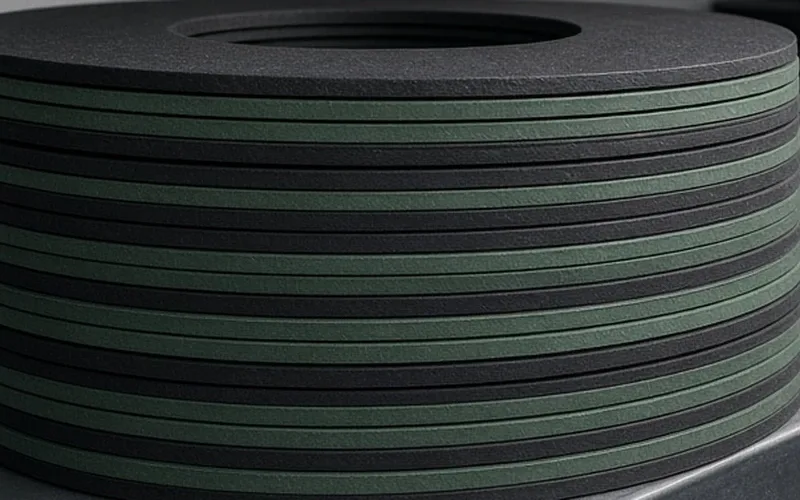
Sizing & Selection
Plate Packs & Gaskets
Replacement plates and gaskets for dairy plate heat exchangers: new plates and new gaskets matched to your frame and duty, supplied for your crew to hang.
+ Learn More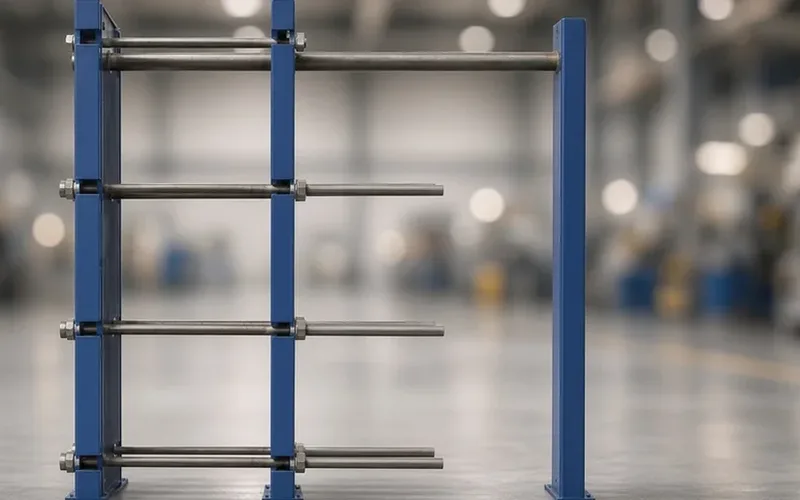
Sizing & Selection
Look Up by Manufacturer & Model
Plate heat exchanger replacement by model: find the make on your nameplate, see what to read off its frame, and request new plates, gaskets or a unit.
+ Learn More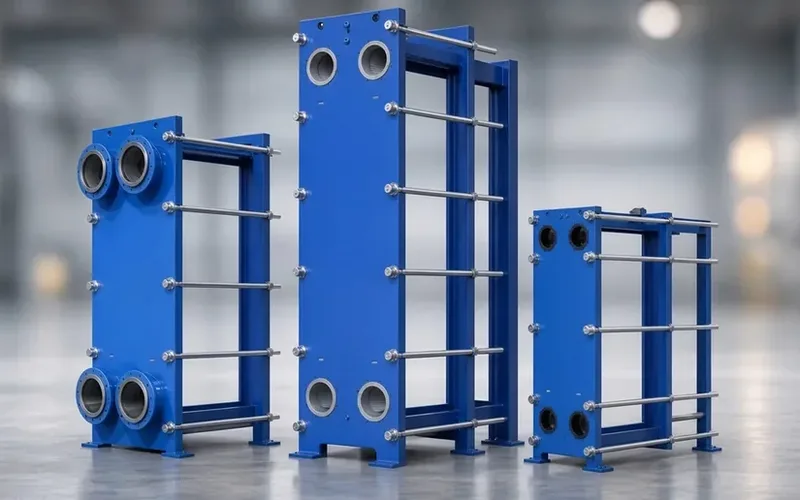
Sizing & Selection
Plates, Gap & Passes
How a replacement pack is matched: plate heat exchanger plate count, plate model, gap, chevron, passes, port size and the compression dimension.
+ Learn More