
1-805-484-2992
Quotes - Engineering - SalesWhat the ordinance asks of the exchanger itself
The Grade A Pasteurized Milk Ordinance is written around the whole pasteurizing system: timing pump, holding tube, flow-diversion device, recorder and controls. The heat exchanger sits in the middle of that system, and the PMO puts its own demands on it. The regenerator rules live under Item 16p, the pasteurization item; its sanitary construction rules apply as to any product-contact equipment. An inspector walking an HTST wants to see that raw milk cannot reach pasteurized milk through the plates, that every product surface can be cleaned and looked at, and that the regenerator is piped and controlled so a leak can only travel one way.
On the exchanger that turns into a short list. Corrosion-resistant stainless with a smooth sanitary finish on every product-contact surface, which on our units means 316L at 32 Ra or better. Gaskets of a compound that meets FDA 21 CFR 177.2600 and survives the plant's CIP chemistry. A product side that drains, with no pocket where milk stands after the final rinse. A regenerator arranged so pasteurized milk stays at the higher pressure. A plate pack or tube set the plant can open, inspect and test on a schedule.
None of that is an option on a HeatX dairy unit; it is how the product side is built. What changes from one job to the next is how the plant proves it: which documents go in the QA file, whether 3-A is expected on top of the PMO, and whether the raw-to-pasteurized boundary needs a second wall.

Grade A plant
- State milk program inspects under the PMO
- Pasteurized side held at least 1 psi above raw
- Regenerator tests on the agency schedule
Manufacturing grade
- State rules built on USDA recommendations
- Differential kept as sound practice
- Test interval set by the plant program
Four places the PMO touches the exchanger
Inspectors rarely read a data sheet. They look at the installed press, the piping on each side of it, the controls wired to it and the records kept on it. Each of those four areas has something the exchanger supplier settles before the unit ships, and the regenerator layout is where the 1 psi rule is won or lost.
Materials and finish
- 316L on every product-contact surface
- 32 Ra standard, 20 Ra where the audit asks for it
- Elastomers named by compound, with an FDA letter
- No painted, plated or galvanized part on the product side
Cleaning and drainage
- Product side empties after the final rinse
- Tri-clamp ports that can be opened for a look
- No dead leg where milk sits between runs
- Plate frames that open fully for inspection
Regenerator layout
- Pasteurized milk kept at the higher pressure
- Raw milk drains back toward the balance tank at shutdown
- Booster pump interlocked with the flow-diversion device
- Pressure sensors where raw is highest and pasteurized lowest
Inspection and records
- Plates and gaskets open to visual inspection
- Crossover tests on an interval the agency accepts
- Material and elastomer letters filed with QA
Where the double wall fits
A double-wall plate puts two sheets of stainless between raw and pasteurized milk with a vented space between them, so a breach in either sheet drips to the outside where an operator sees it. Plants choose it when they want a failure to announce itself instead of waiting for the next crossover test. Treat it as added protection; ask your regulatory agency before assuming it replaces any part of the regenerator controls.
Heating and cooling sections
These sections face a utility, not raw milk. The worry is the utility reaching product: boiler treatment chemicals carried in hot water, or propylene glycol in the cooler. Plants use food-safe treatment on the hot-water loop, and many keep glycol pressure below product pressure where the piping allows. The crossover test should cover these sections too.
3-A on top of the PMO
The ordinance accepts equipment built to the matching 3-A Sanitary Standard as meeting its construction requirements, which is why many inspectors look for the symbol before anything else. A Grade A fluid plant almost always specifies it. The 3-A plate and tubular standards are covered under 3-A Sanitary.
What to tell us on the request
Say whether the plant is Grade A or manufacturing grade, whether the unit includes a milk-to-milk regenerator, whether a booster pump is planned, and whether you want single or double wall. List the documents your QA file needs. With that, the regenerator is sized with the differential in mind from the first drawing.
Grade A questions
No. The ordinance sets requirements, and the state regulatory agency inspects the installed system against them. There is no national list of approved exchangers. The inspector judges the press as piped, wired and recorded in your plant, so acceptance happens on the floor at startup rather then on a drawing in our office.
Expect so. A longer regenerator changes the pressure drop on both sides, which moves the differential, and it changes the temperature reaching the heater. Most agencies retest the differential controls and the diversion cut-in after any change to the press. Plan the outage with the inspector instead of telling them afterward.
Yes. Gasketed plate regenerators are the common case in Grade A fluid milk plants, held to the pressure differential and opened for inspection and crossover testing on the agency schedule. Where the plant wants a gasket or plate failure to show as an outside drip, the double-wall plate is the alternative.
The state dairy program, under rules most states base on USDA recommended requirements for milk for manufacturing purposes. The exchanger expectations are much the same: cleanable, drainable, food-contact materials. Regenerator controls and the test interval can be written differently, so ask the state program what it expects before settling the layout.
Related
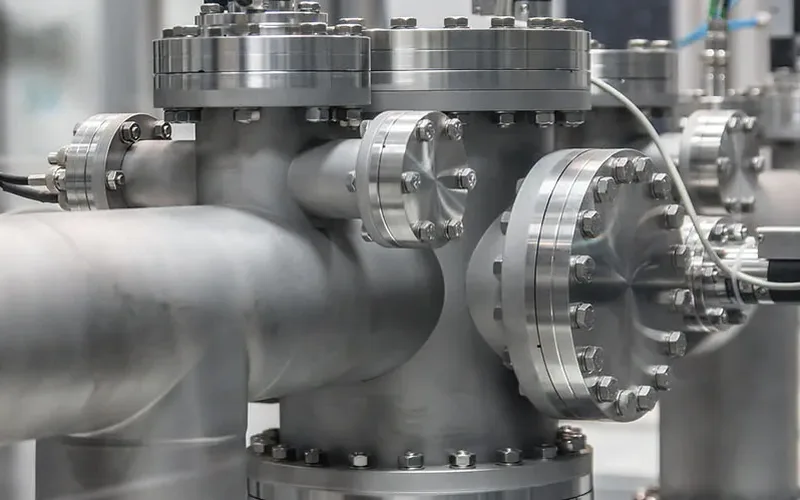
Materials & Certifications
Pressure Differential
PMO pressure differential regenerator rule: pasteurized milk held at least 1 psi above raw, with booster pump and differential controls in outline.
+ Learn More
Materials & Certifications
Leak Detection & Testing
Plate heat exchanger leak testing for dairy plants: dye penetrant, tracer gas, pressure hold and conductivity checks, test intervals and double-wall plates.
+ Learn More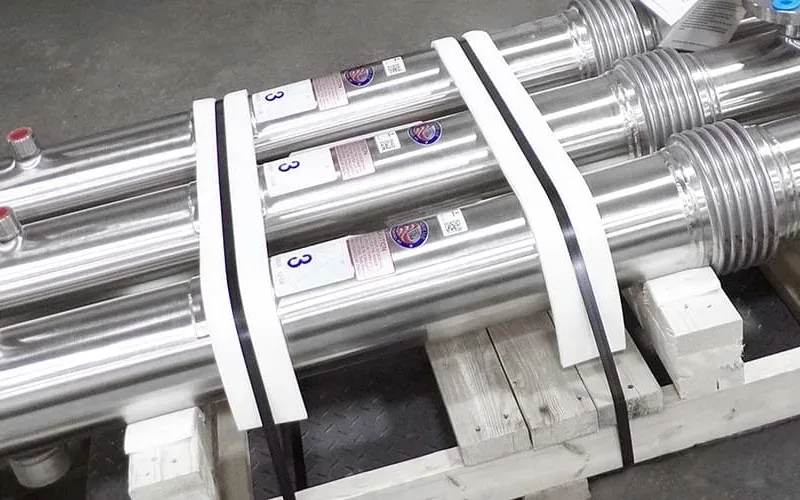
Materials & Certifications
3-A Sanitary
3-A sanitary standards for dairy heat exchangers: the plate and tubular standards, the symbol and its third-party check, and what 3-A leaves to other rules.
+ Learn More