
1-805-484-2992
Quotes - Engineering - SalesProtein that has to survive the heat
Where WPC fouls, and why
Whey protein concentrate is bought for protein that still dissolves, whips and gels. Heat takes that away. Beta-lactoglobulin, the largest whey protein fraction, starts to unfold somewhere in the 150–160°F range, and once unfolded it sticks to the hottest surface it meets. On a heater that surface is the plate or tube wall, which runs several degrees hotter than the product passing it.
The more protein in the stream, the faster the deposit builds. Whey at about 6 percent solids fouls slowly; retentate taken to WPC 80 strength, at 20 percent solids or more, can lay down a film on a hot plate within a single run. The film insulates, the outlet temperature sags, and an operator turns up the hot water to make up for it, which raises the wall temperature and speeds the fouling.
The design answer is a cool wall: hot water only a few degrees above the product, enough area to live with that small approach, and smooth, well-swept passages with no dead corners. On high-solids retentate a multi-tube unit, with no gasket contact points in the product path, usually runs longer between cleanings than a plate pack doing the same job.
See the Multi-Tube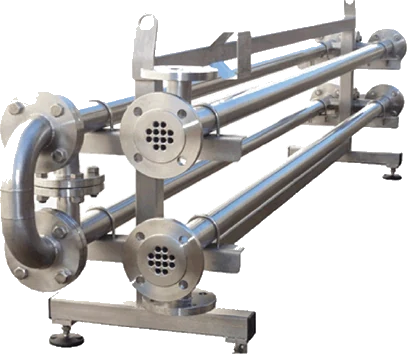
WPC temperatures and limits
Typical figures on a whey ultrafiltration line. Membrane supplier limits and your product specification take priority when we size.
| Condition | Typical value |
| Whey pasteurizing before UF | 161°F for 15 seconds |
| Cold UF operation | About 50°F; slower growth, lower flux |
| Warm UF operation | About 120–130°F; higher flux, more growth risk |
| Protein fouling on hot walls | Rises above about 150°F product temperature |
| Retentate solids | Roughly 10–12% at WPC 34; 20% or more at WPC 80 |
| Heater approach | 2–5°F, hot water held close to product |
| Retentate held before drying | 40–45°F |
| Construction | Multi-tube for retentate; gasketed plate for clarified whey |
| Product-side build | 316L, tri-clamp, 32 Ra, 3-A 12-08 tubular standard |
Placing exchangers on a WPC line
Ahead of the membranes
Whey is clarified, separated and usually pasteurized at 161°F for 15 seconds before it reaches the membranes, then brought to the filtration temperature the plant has chosen. At this point solids are still low and protein is dilute, so a gasketed plate with regeneration is the economical choice. Cold UF wants whey taken down to about 50°F; warm UF holds it near 120–130°F, which raises flux but gives bacteria more room.
Inside the filtration loop
Membrane recirculation pumps put heat into the product with every pass, and a loop left alone drifts warmer through the run. A trim cooler in the loop holds temperature, which holds flux steady and keeps growth in check during long diafiltration steps.
- Size the trim cooler on pump power, not only on feed flow
- Expect solids, and viscosity, to rise as the loop concentrates
- Keep diafiltration water at loop temperture before it is added
Heat-treating retentate
Some specifications call for a second heat treatment on the concentrate before drying. This is where fouling bites hardest, so the heater runs a tight approach, product velocity stays high enough to sweep the wall, and the hold is kept as short as the specification allows. Tubes are the usual construction here; a plate pack on high-solids retentate tends to need cleaning partway through the shift.
Cooling retentate for storage
Retentate waiting for the dryer is held at 40–45°F. It is thicker than whey at that temperature, so the cooler is sized for pressure drop as much as for heat load. The lactose-rich stream on the other side of the membrane is handled differently; see permeate.
WPC line questions
Pasteurizing the whey first treats a dilute stream that fouls slowly and protects the membranes from growth during a long run. Heat-treating retentate means working near the fouling point with concentrated protein. Some plants do both where the customer specification asks for it, but the whey pasteurizer is the one almost every WPC line carries.
That choice belongs to your membrane supplier and your product, but it changes the exchanger. Cold operation needs more cooling capacity ahead of the membranes and in the loop, and the retentate is thicker. Warm operation needs heating and close temperature control to stay below the point where whey protein begins to deposit. Tell us which, and we size around it.
Often, if it is sized for the higher-solids product and checked at the lower one. WPC 80 retentate sets the pressure drop and the fouling margin; WPC 34 sets the heat load at a higher flow. A multi-tube unit spans that range more comfortably than a plate pack, because its pressure rating leaves room for the thicker stream.
It depends on protein, wall temperature and velocity, so we will not quote a number without your data. What we can say is which way each choice pushes it: a tighter approach, higher velocity and fewer hot dead zones all lengthen the run. If you have run-length history from an existing heater, send it and we size against what actually happened.
EPDM is the usual choice on clarified whey and permeate, since fat is low after separation and EPDM stands up to the hot caustic and acid of a whey-line cleaning program. If whey cream is left in, or the pack also runs a higher-fat stream, nitrile or HNBR is the safer pick. All product-contact compounds meet FDA 21 CFR 177.2600.
Related
Dairy Solutions
Permeate
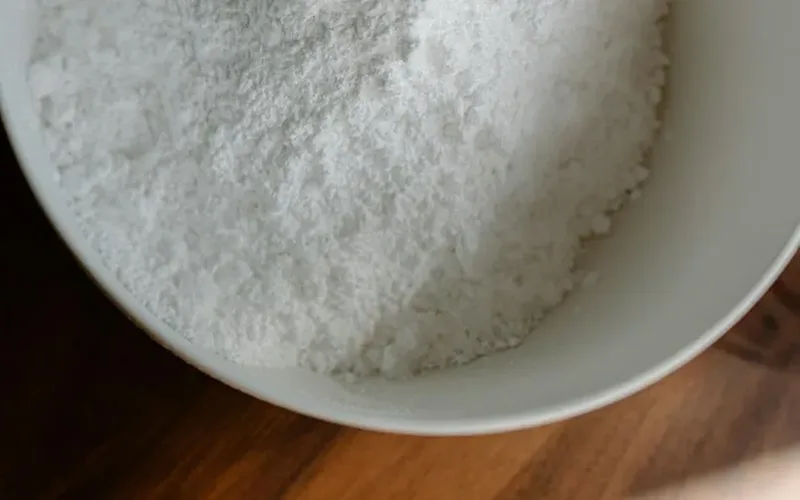
Dairy permeate processing exchangers: evaporator preheat with regeneration, scale control on the hot side, and cooling concentrate for lactose crystallizing.
+ Learn More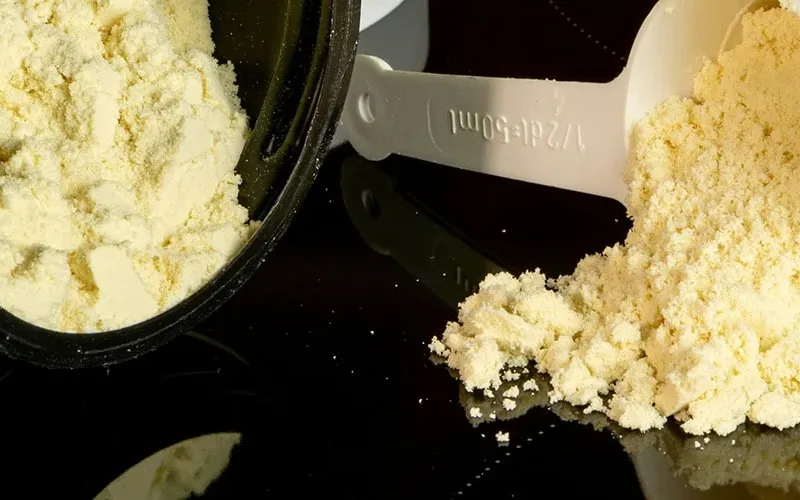
Dairy Solutions
Whey & Permeate
Whey cooler sizing for cheese plants: cooling sweet or acid whey to 40–45°F, whey pasteurizing, and exchangers for WPC and permeate streams.
+ Learn More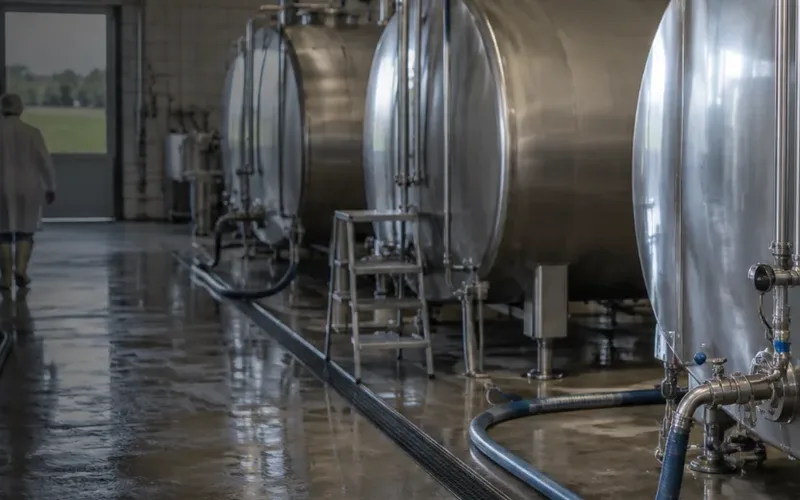
Dairy Solutions
Milk
Milk heat exchanger choices for raw milk cooling, HTST pasteurizing with regeneration, vat cooling, and white, lactose-free, recombined and condensed milk.
+ Learn More