
1-805-484-2992
Quotes - Engineering - SalesTwo materials, two different enemies
The stainless and the gaskets on a dairy exchanger fail for different reasons. Steel is attacked by chloride: from chlorinated rinse water, from sanitizer left standing, from a cooling-water loop on the far side of the plate that has been allowed to concentrate. Elastomers are attacked by fat and by heat. A gasket that is perfect on skim milk swells in a cream heater, and one that lasts for years on cold milk hardens in a hot-water section.
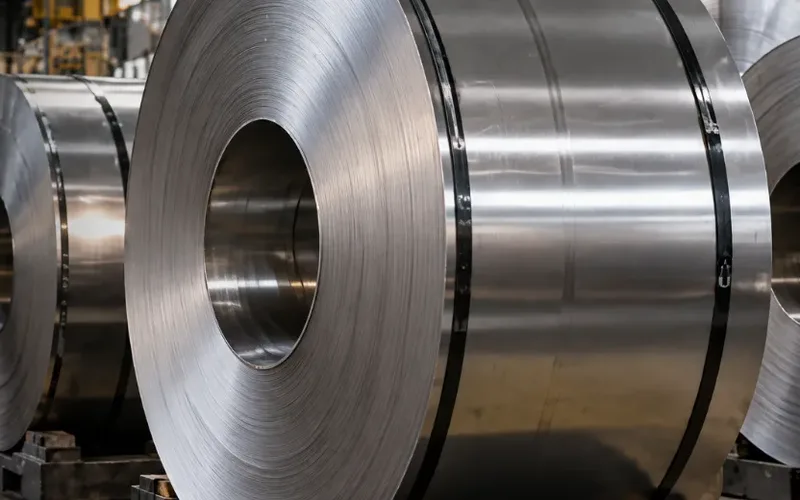
We build the product side in 316L. The L means carbon held to 0.03 percent or less in sheet (0.035 percent in sanitary tube), so the heat of welding does not tie up chromium next to the weld and leave a band that corrodes. The 2 to 3 percent molybdenum is what lets 316L resist pitting where 304 would not, and that matters on a plate only a few tenths of a millimeter thick.
Gaskets are chosen section by section. One cream frame can run NBR in the cold regenerator and cooler and HNBR in the heater, where hot cream meets hot caustic, provided each compound complies with FDA 21 CFR 177.2600 for product contact and suits the wash program the plant actually runs.
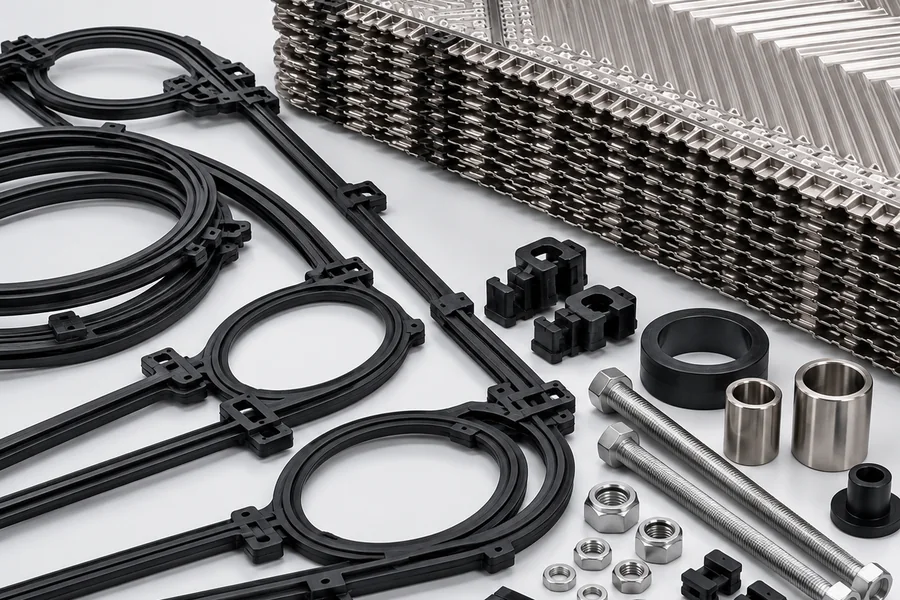
Choosing each gasket by fat, heat and wash
- EPDM where hot water, steam and caustic wash dominate
- NBR where cream fat would swell an EPDM seal
- HNBR when one compound has to cover both
Materials on a standard dairy build
These are the materials we quote unless the plant specifies otherwise. If the plant has standardized on one compound across its frames, say so; stocking a single gasket type is worth something to a maintenance crew.
Metals
- Plates: 316L, pressed from cold-rolled sheet
- Product tubes: 316L sanitary tubing
- Ferrules and bends: 316L, welded and finished
- Outer tube or shell: Stainless, grade set by the utility
- Frame: Stainless or coated carbon steel
Elastomers
- EPDM: Hot water, steam side, caustic and acid wash
- NBR (nitrile): Cream, butter cream and other high-fat product
- HNBR: Fat and heat together, at a higher price
- Clamp gaskets: EPDM or PTFE by service
- Compliance: FDA 21 CFR 177.2600 on product contact
Getting the material choice right
Chloride is the real limit on the steel
316L tolerates the chloride in normal dairy water and short contact with sanitizer. It does not tolerate chloride concentrated by evaporation, so a sanitizer left to dry on a plate, or a cooling loop allowed to build up its salts, is where pitting starts. A pit that goes through a plate wall is a pinhole, and finding pinholes is what leak testing exists for.
- Rinse sanitizer off within its labeled contact time
- Keep the chilled-water or glycol loop treated and tested
- Never store an opened pack wet with chlorinated water
Fat swells EPDM
EPDM is where most dairy frames start, because it handles hot water and the usual caustic and acid wash with little complaint. Its weakness is fat. In cream above about 30 percent fat, or in butter cream, EPDM absorbs fat and swells, the gasket climbs out of its groove, and the frame weeps at the edge. NBR resists fat but gives up some heat and chemical life, so it goes where fat is the bigger threat.
Heat, wash chemistry and the third option
HNBR takes fat and heat together and costs more for it, which makes sense in a cream heater that also sees hot caustic every day. Whatever the compound, gasket life is set as much by the wash as by the product: stronger caustic, hotter acid or a longer cycle all shorten it. The fuller comparison of compounds across dairy, food and pharmaceutical duty is on our gasket and elastomer page.
Material questions
Yes, and many cream and mix frames do. The regenerator and cooler that see cold, high-fat product run NBR, while the heater, where hot cream and hot caustic both reach the gasket, runs HNBR. Each section's compound is listed on the drawing and on the gaskets themselves so that the right one goes back in at the next change.
Ask for a compliance statement against FDA 21 CFR 177.2600, the regulation for rubber articles intended for repeated use with food. We supply one for every product-contact compound on our units and on new replacement gaskets. Keep it with the frame's records, because it is one of the first documents an auditor asks to see.
Higher alloys exist and cost a good deal more, and on dairy duty they seldom earn it. The chloride a dairy exchanger meets is controllable: rinse times, sanitizer strength and cooling-water treatment. A plant that keeps those under control gets long service from 316L. A plant that cannot should fix the water program first.
They are stainless or carbon steel with a food-plant coating. They never touch product, but they live in a washdown area, so the coating has to stand up to the same chemicals that wash the floor. Painted carbon steel frames are common and acceptible; stainless frames cost more and simply look better after years of washdown.
That pattern usually points to EPDM gaskets swelling in high-fat product. The swollen gasket lifts out of its groove and no longer seals at the edge, while the same frame on skim milk stays tight. Moving the cream sections to NBR or HNBR is the normal fix, with new gaskets in the compound suited to the duty.
Related
Materials & Certifications
32 Ra or 20 Ra Finish
A 32 Ra surface finish is the dairy heat exchanger standard, and 20 Ra goes on when the audit asks. Where finish is measured, where it slips, what it adds.
+ Learn More
Materials & Certifications
Tri-Clamp & Drainability
A tri clamp heat exchanger for dairy must connect, drain and clean in place on its own. Ferrules, clamp gaskets, drain fall and CIP velocity explained.
+ Learn More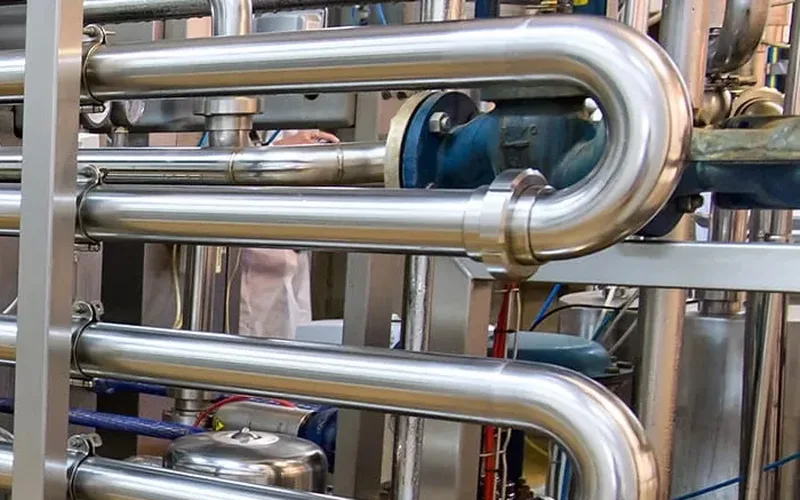
Materials & Certifications
Sanitary Design
Sanitary heat exchanger design for dairy: 316L product contact, matched elastomers, a 32 Ra finish, tri-clamp ends and a product side that drains.
+ Learn More