Dairy Heat Exchanger Solutions

Heat Exchangers

Our heat exchangers are designed for the unique demands of dairy processing, offering precise control in heating, cooling, pasteurization, and sterilization to maintain product integrity and safety.

Pasteurization and Sterilization

In dairy processing, milk and products are heated to eliminate pathogens. Plate heat exchangers excel in efficiency and compactness for pasteurization, providing uniform heating to ensure safety and quality.

For UHT sterilization, heat exchangers deliver high temperatures briefly to extend shelf life without compromising taste.

Heating and Cooling Applications

Controlled heating and cooling are vital for processes like curd formation and product stabilization. Our systems recover energy, reducing costs while maintaining hygiene.

Our heat exchangers withstand dairy environments, resisting acids and temperature variations. They endure rigorous CIP chemicals, upholding sanitation without degradation.

In dairy solutions, heat exchangers are integral, impacting efficiency, cost, and product quality. Their role in thermal management and energy recovery makes them essential.

Precise Temperature Control

Our solutions ensure dairy products are heated or cooled precisely, preserving quality and flavor throughout processing.
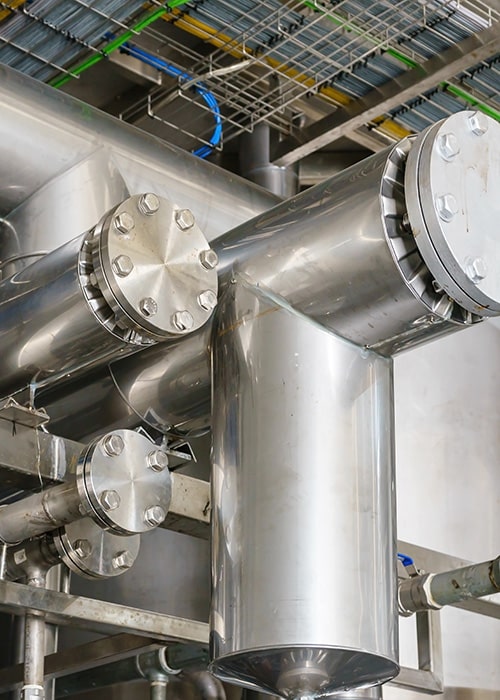
Dairy Heat Exchangers
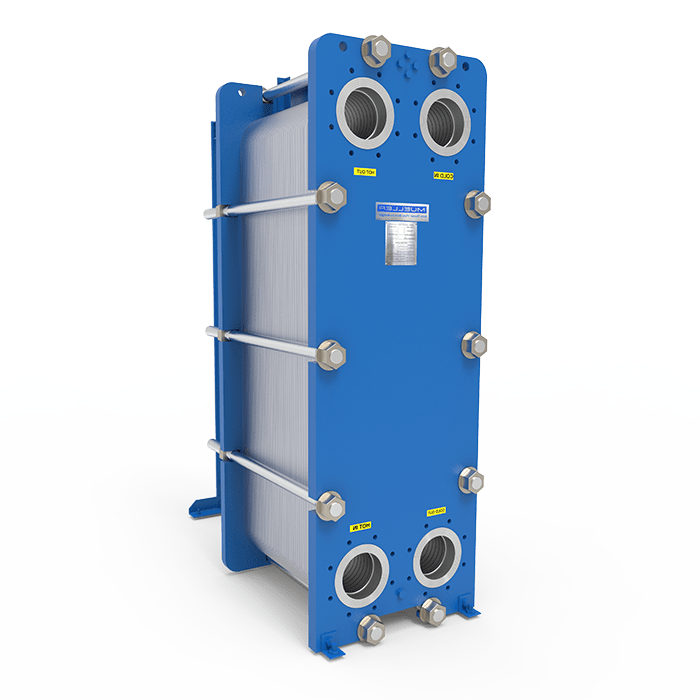
Plate & Frame Exchangers
Compact High-Efficiency Heating & Cooling
  • Up to 10,000 L/h Capacity
  • Regenerative Energy Recovery
  • CIP-Compatible Gaskets
Plate and Frame Heat Exchanger for Yogurt Pasteurization
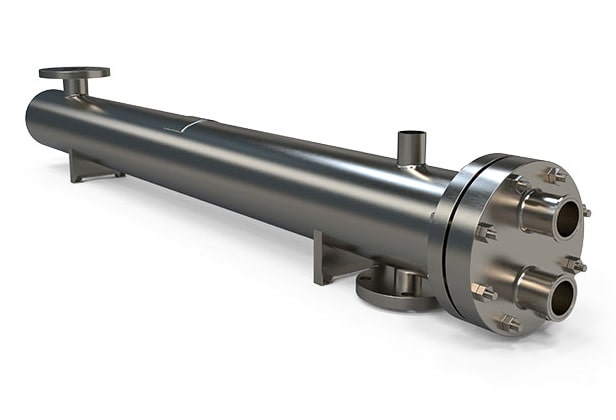
Shell & Tube Exchangers
Robust for Viscous Milk Flows
  • Custom Tube Configurations
  • High-Pressure Handling
  • Sanitary Tri-Clamp Fittings
Shell and Tube Heat Exchanger for Yogurt Processing
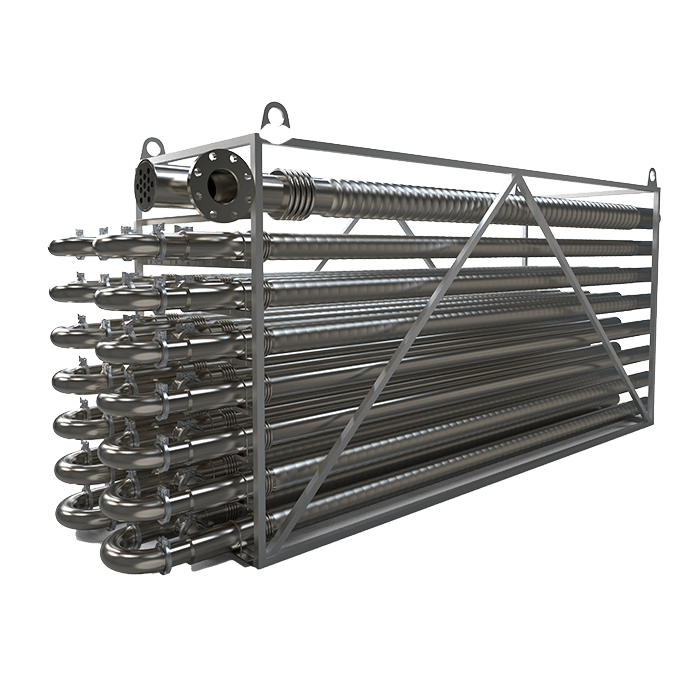
Tube-in-Tube Exchangers
Gentle, Low-Fouling Heat Transfer
  • Coaxial Tube Design
  • Ideal for Pre/Post-Homogenization
  • Fully CIP & 3-A Compliant
Tube-in-Tube Heat Exchanger for Yogurt Incubation
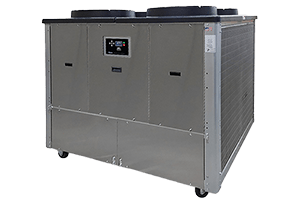
Advantage Chillers
Precision Cooling to 0.5°C
  • Water or Glycol Systems
  • ±0.1°C Temperature Stability
  • Stainless Steel & CIP Ready
Advantage Chillers for Yogurt Cooling

Common FAQs

In the dairy industry, heat exchangers are crucial for managing temperature without mixing mediums. They ensure precise control during heating, cooling, pasteurization, and sterilization. These solutions are important for technical and quality aspects, influencing safety and shelf life. Their impact in temperature management and energy recovery makes them essential in dairy processing.


Cleaning a dairy heat exchanger is essential for performance and product safety. Here’s a guide to cleaning a dairy heat exchanger:

  1. Disassemble the Heat Exchanger: Depending on the type (plate or tube), disassemble as needed, following guidelines to access internal surfaces.
  2. Pre-Rinse: Flush with water to remove loose dairy residues.
  3. Use a Cleaning Solution: Prepare a caustic cleaner (e.g., sodium hydroxide) to remove proteins and fats. Circulate for 30-60 minutes.
  4. Rinse Thoroughly: Rinse with water until clear.
  5. Sanitize: Use a sanitizer like peracetic acid to disinfect. Circulate as specified.
  6. Final Rinse: Flush with potable water.
  7. Inspect: Check for damage and reassemble per instructions.

In dairy processing, heat exchangers manage temperature by heating or cooling milk without direct contact, or preheating/cooling for further steps. They control energy balance, ensuring effective processing, savings, and high-quality products.

In dairy solutions, main heat exchangers include plate-and-frame for efficient pasteurization, shell-and-tube for robust viscous handling, tube-in-tube for gentle transfer, and chillers for precise control. Together, they manage energy balance, ensuring effective processing, savings, and quality products.

Quote Request Form:

Questions?

1-805-484-2992

Quotes - Engineering - Sales