
1-805-484-2992
Quotes - Engineering - SalesDairy Heat Exchangers for Yogurt Processing
Yogurt production requires exact thermal sequences for pasteurization, homogenization, fermentation, and cooling to achieve desired acidity and gel structure. Plate-and-frame exchangers pasteurize milk at 85–95°C, tube-in-tube gently heat to 40–45°C for incubation, shell-and-tube process viscous set yogurt, and Advantage chillers cool to 4–10°C to arrest fermentation—all while managing protein fouling and ensuring 3-A compliance.
Applications
- Milk Base Pasteurization: Heat exchangers pasteurize yogurt milk at 85–95°C for 5–30 minutes, denaturing whey proteins for better gel formation.
- Post-Pasteurization Cooling: Rapid cooling to 40–45°C prepares mix for culture inoculation without premature acidification.
- Incubation Temperature Control: Gentle heating maintains 40–45°C during 4–8 hour fermentation, promoting lactic acid bacteria growth.
- Final Cooling: Chillers cool fermented yogurt to 4–10°C to stop acidification, set viscosity, and prepare for fruit addition or packaging.
- CIP for Yogurt Residues: Automated CIP removes gelled proteins and acids, using enzyme cleaners to maintain hygiene in yogurt processing equipment.
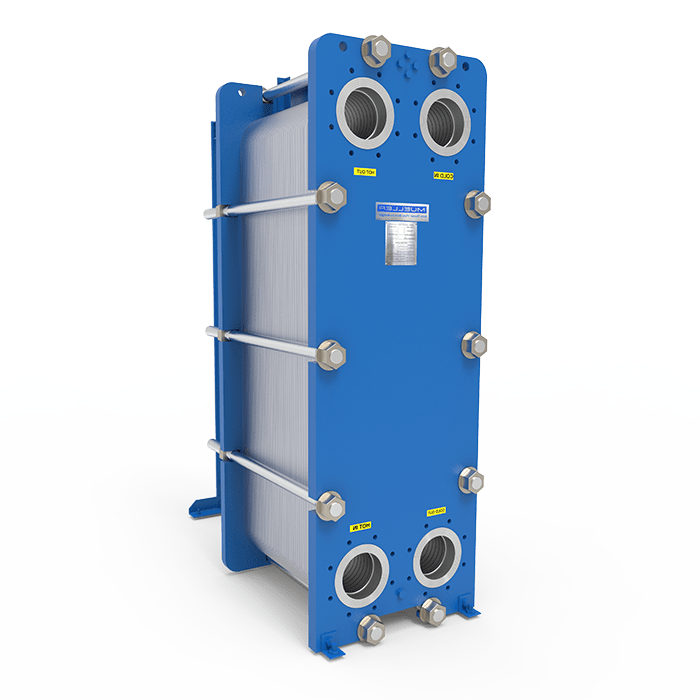
Plate & Frame Exchangers
Compact High-Efficiency Heating & Cooling
- Up to 10,000 L/h Capacity
- Regenerative Energy Recovery
- CIP-Compatible Gaskets
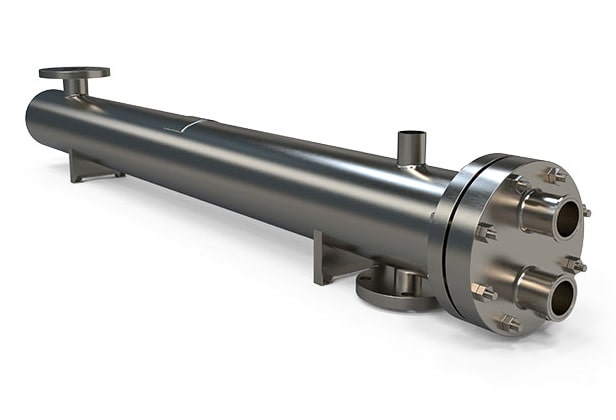
Shell & Tube Exchangers
Robust for Viscous Milk Flows
- Custom Tube Configurations
- High-Pressure Handling
- Sanitary Tri-Clamp Fittings
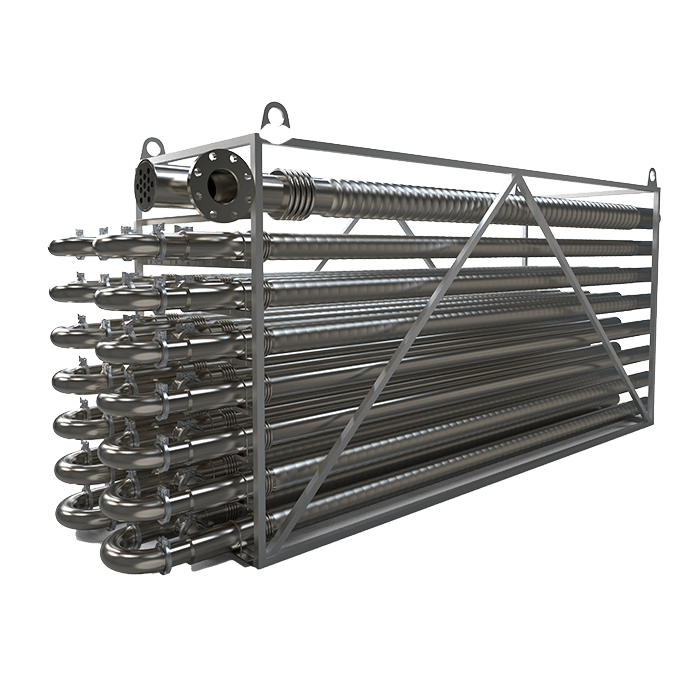
Tube-in-Tube Exchangers
Gentle, Low-Fouling Heat Transfer
- Coaxial Tube Design
- Ideal for Pre/Post-Homogenization
- Fully CIP & 3-A Compliant
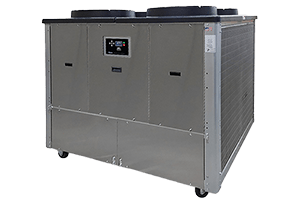
Advantage Chillers
Precision Cooling to 0.5°C
- Water or Glycol Systems
- ±0.1°C Temperature Stability
- Stainless Steel & CIP Ready
The Benefits of Dairy Heat Exchangers for Yogurt Processing
Yogurt's probiotic benefits and creamy consistency depend on meticulous thermal management. A Greek yogurt producer enhanced gel strength by 22% with high-heat plate-and-frame pasteurization and tube-in-tube incubation heaters, plus Advantage chillers for rapid cooling—cutting production time by 15% and achieving uniform pH with no separation issues over 20 months.
These exchangers utilize acid-resistant 316L stainless, wide-gap plates for thickening yogurt, and regenerative recovery for energy-efficient incubation. Shell-and-tube options process strained Greek varieties under pressure, while PLC systems precisely control fermentation ramps. CIP with specialized acids removes yogurt residues effectively.
From plain set yogurts to fruit-on-bottom styles, these heat exchangers ensure effective pasteurization, stable culturing, and swift cooling—yielding yogurt with superior thickness, tanginess, and shelf stability for health-conscious consumers.