
1-805-484-2992
Quotes - Engineering - SalesWhat the 3-A symbol tells an inspector
3-A Sanitary Standards, Inc. writes its equipment standards with three groups at the table: the fabricators who build the equipment, the processors who run it, and the regulatory sanitarians who inspect it. Heat exchangers have two documents. Plate units fall under the 3-A plate standard, the 11 series, whose current edition is 11-10. Tubular units, from tube-in-tube to multi-tube and straight-tube shells, fall under the tubular standard, the 12 series, now at 12-08.
Each standard sets the same kinds of rules for its construction: what the product-contact surfaces are made of, how smooth they are, how joints and seals are designed, how the unit drains, and how an inspector reaches every surface to look at it. Neither one tells you how big the unit should be or how many sections it needs. That remains a thermal and process decision.
The symbol is a separate step from the design. A fabricator may apply it only to equipment covered by a 3-A authorization, and an authorization is issued only after a Certified Conformance Evaluator has completed a Third Party Verification (TPV) inspection of the equipment and its documentation against the standard.
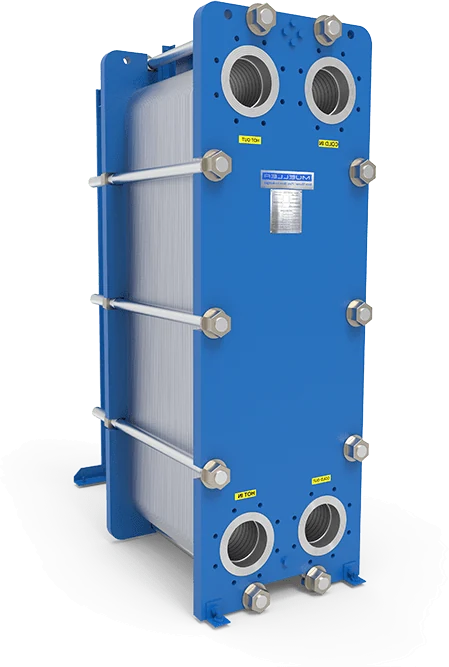
Plate, 11 series
- Current edition 11-10
- Frame opens to show every plate face
- Gaskets seal every product boundary
Tubular, 12 series
- Current edition 12-08
- Bends or heads come off to view bores
- Welded joints carry most product seals
What the conformance evaluator looks at
A TPV inspection reviews the drawings, the material records and the equipment itself. On a dairy heat exchanger it comes down to four areas, and they are the same four a regulatory inspector walks through when the unit arrives at the plant, so it pays to have answers ready for each.
Materials
- Stainless product contact, 316L on our units
- Elastomers fit for product, heat and wash
- Records tying each part to its material
Surfaces
- Product contact at 32 Ra or smoother
- Welds ground flush, free of pits and cracks
- No crevice where a seal meets the steel
Cleanability
- Cleans in place at the plant's CIP flow
- No dead end a wash cannot sweep
- Self-draining on the product side
Inspectability
- Every product surface reachable for a look
- Plates or tube ends open for inspection
- Gaskets visible and replaceable in the field
What the symbol does not cover
3-A says nothing about the pressure rating of the utility side. A steam-heated hot-water shell running above 15 psig answers to ASME Section VIII, not to 3-A. Nor does 3-A set the pressure relationship between raw and pasteurized milk in a regenerator; that comes from the PMO and from the way the system is piped and controlled. A plant can buy a fully conforming frame and still fail an HTST inspection on either point.
Built to 3-A versus marked 3-A
A unit can be built to every line of the standard and still not carry the symbol, because the mark comes only through an authorization. Some plants and some regulators accept a fabricator's written statement of conformance. Grade A inspectors in many states expect to see the symbol on the nameplate. Ask your inspector which applies before you order, then put the answer on the request so the quotation is written to it.
New parts on a 3-A frame
New plates and gaskets for an existing 3-A frame have to keep the pack in conformance: the same alloy class, a compliant gasket compound, and a finish no rougher than the original. We document each new pack so the frame's status is not left open to question after the swap. Mixed packs, where some plates are new and some are years old, are worth a word with your inspector before they go back in service.
Ordering a 3-A unit
Say on the request that 3-A is required and which construction you expect, and we quote to the matching standard. If the product points to a different construction than the one you had in mind, for example tube-in-tube instead of plate for a cultured product after the break, the 3-A answer moves with it. The 3-A or food-grade page helps when you are not sure the symbol is needed at all.
3-A questions
No. The symbol speaks to the exchanger's sanitary design. A Grade A HTST is also judged on the pressure relationship in the regenerator, the holding tube, the flow-diversion device and the recording controls, all under the PMO. A conforming frame piped so that raw milk can run at a higher pressure than pasteurized milk will still fail the inspection.
Yes. Both are tubular heat exchangers under the 12 series, as are straight-tube shells with product in the tubes. The rules on inspectable bores, removable return bends or heads, and self-draining runs apply to all of them. The product still decides which tubular design you buy; the standard decides how that design is finished and opened.
Rarely. Gaskets are one part of conformance. Plate alloy, finish, port design, weld quality and inspection access are fixed when the unit is built. If a frame was never made to the standard, new gaskets will not change that. A new complete unit is usually the cleaner answer, and we can quote it alongside a new pack so the two can be compared.
Equipment is evaluated against the edition in force when it was built or authorized, and an inspector does not expect a frame bought years ago to be rebuilt each time the standard changes. What matters in service is that the unit conformed when it was made and that the parts fitted since have kept it there.
Related
Materials & Certifications
3-A Plate Exchangers
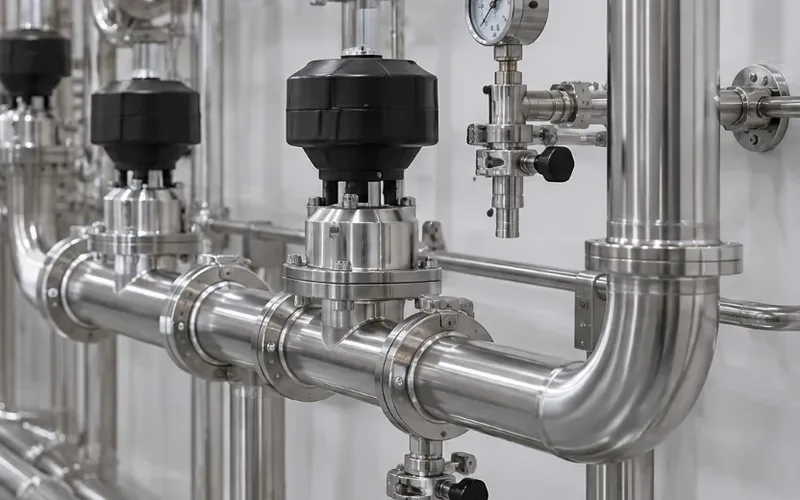
A 3-A plate heat exchanger is built to the 3-A 11 series, now 11-10. What the standard asks of plates, gaskets, ports and inspection access on dairy duty.
+ Learn More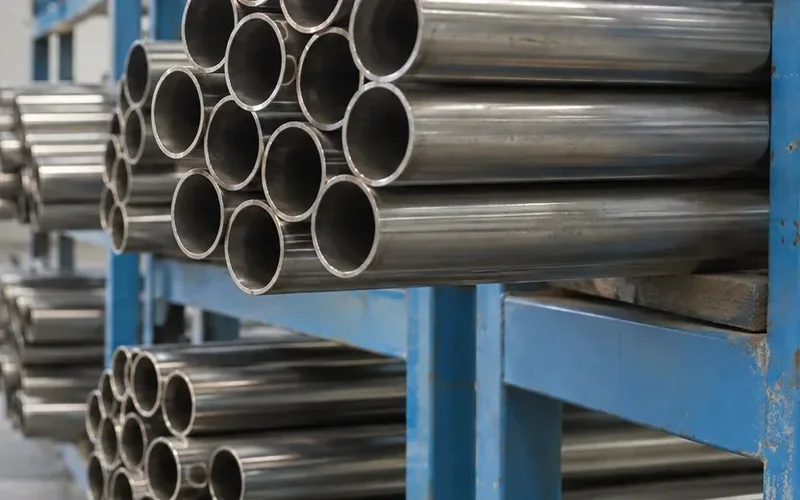
Materials & Certifications
3-A Tubular Exchangers
A 3-A tubular heat exchanger is built to the 3-A 12 series, now 12-08. What it asks of tube bores, return bends, welds and drainage on dairy duty.
+ Learn More
Materials & Certifications
3-A or Food-Grade
3-A vs food grade heat exchanger: when the inspector expects the 3-A symbol on a dairy unit, and when sanitary food-grade construction is accepted.
+ Learn More