
1-805-484-2992
Quotes - Engineering - SalesNew plates, new gaskets, your frame
A replacement plate pack is the cheapest way to bring a sound frame back to its original duty. We supply new plates and new gaskets matched to the plate model, gap and arrangement already in the frame, with a hanging list so your maintenance crew or contractor can rebuild the pack in order. The plates and gaskets ship to you; the fitting stays with your team.
Supplied, not fitted
Gaskets can be ordered on new plates, ready to hang, or loose for plates you are keeping. Glued and clip-in styles are both supplied to suit the plate. For loose gaskets, the old gasket and any adhesive have to come out of the groove before the new ones go in, and that work belongs to your crew; we do not take plates in for it.
The elastomer is chosen for the duty, not copied from the old part. A pack change is the moment to fix a gasket that has been failing early.
Send with a pack request
- Frame nameplate photo with serial and model readable
- Plate count per section and the plate-hanging list
- Tightened pack length for each section
- Product and utility in each section, with temperatures
- Gasket style now fitted: glued or clip-in
- How the old gaskets failed: weeping, extrusion, swelling or cracking
pasteurized side held above rawAfter any pack change on a milk-to-milk regenerator, confirm the pasteurized side still runs at least 1 psi above the raw side before the line restarts.
Choosing the gasket compound
Product-contact gaskets are supplied in compounds that comply with FDA 21 CFR 177.2600. The choice between them comes down to fat, temperature and cleaning chemistry.
- EPDM: hot water, heated utility sides and most CIP chemistry, but it swells in high-fat product
- NBR (nitrile): cream, butter cream and other high-fat streams at pasteurizing temperatures
- HNBR: covers both fat and heat, at a higher price per gasket
- Different sections of one frame can run different compounds
- Tell us the CIP chemicals and peak wash temperature with the order
Call and talk it through with an engineer: 1-805-484-2992
What goes wrong with a pack swap, and how to avoid it
The most common mistake is ordering by plate count alone. Two frames of the same model can carry plates of different gap or chevron, hung in different pass arrangements, and a pack ordered from the count on an old invoice may not match what is actually in the frame after years of changes. Count the plates in the frame, section by section, and photograph the connector plates; the plates, gap and passes guide shows what to record.
The second is reusing tired plates beside new ones. A section with half its plates renewed performs like its worst plates, and the old ones are the ones that will fail the next leak test. Renew a section at a time, whole.
Tightening is the third. Every frame has a compression dimension for its plate count, and a new pack must be brought to it evenly, in stages, from both sides. Overtightening to stop a weep crushes new gaskets and can crack plates; undertightening leaves the pack to leak at the first hot wash. Record the dimension before the old pack comes out.
After the rebuild, a milk-to-milk regenerator needs its pressure relationship checked before product runs: the pasteurized side held at least 1 psi above the raw side, so any leak runs pasteurized into raw. Most plants pair that with a leak test of the regenerator plates, which a new pack should pass easily and which gives a baseline for later tests.
Finally, keep the hanging list with the frame. It is the one document that makes the next pack order quick, and the one most often lost.
Count the plates in the frame, not on the old invoice
A new pack is quoted from what is in the frame today, section by section.
Request a QuotePlate pack questions
Yes, if the plates are sound: no pitting through, no cracks at the ports, no distortion. The gaskets ship loose in the compound the duty needs, and your crew removes the old gaskets and adhesive before fitting them. If a leak test has already found pinholes, gaskets alone will not cure it, and new plates are the better order.
They have to match what the frame and the duty need, which is usually the same gap. A change is possible: a section that fouls on high-solids product might move to a wider channel if the frame accepts that plate. We check the compression dimension and pressure drop before suggesting it, and the quote states the change plainly.
Not necessarily. Sections age at different rates: the regenerator and heater see the highest temperatures and the hardest washes, while a cooler on chilled water often lasts longer. Renewing the worst section first spreads the cost, as long as each section is renewed whole and the full pack is brought back to its compression dimension when the frame is closed.
Yes. Many plants keep one section's set of gaskets in stock so a weeping corner does not stop the line. Elastomers age in storage, so keep them cool, dark and away from ozone sources such as electric motors, and rotate the stock. We can quote a spare set alongside the pack.
They stay with you. We supply new parts only, so there is no exchange or core return. Most plants scrap the old stainless plates; a few keep a sound set as emergency spares, which is reasonable only if their gaskets are renewed and they have passed a leak test before going on the shelf.
Related
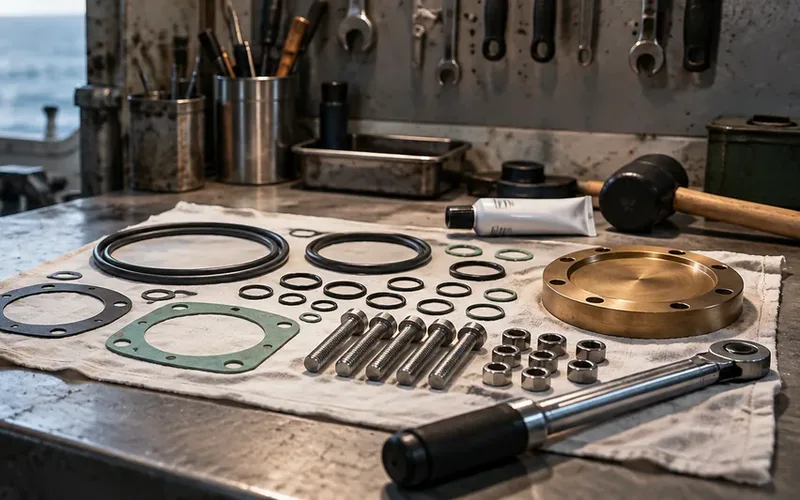
Sizing & Selection
Tube Bundles & Unit Swap
Tube bundle replacement for sanitary dairy exchangers: new bundles for removable-bundle shells, or a complete drop-in unit matched to the old footprint.
+ Learn More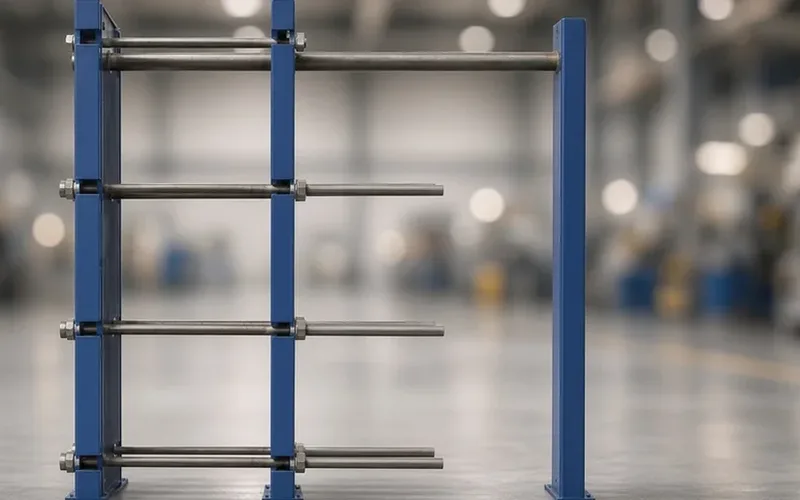
Sizing & Selection
Look Up by Manufacturer & Model
Plate heat exchanger replacement by model: find the make on your nameplate, see what to read off its frame, and request new plates, gaskets or a unit.
+ Learn More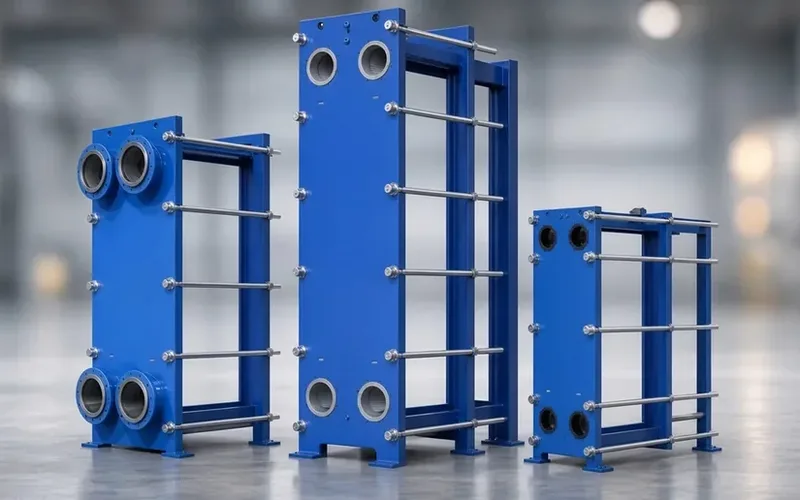
Sizing & Selection
Plates, Gap & Passes
How a replacement pack is matched: plate heat exchanger plate count, plate model, gap, chevron, passes, port size and the compression dimension.
+ Learn More