
1-805-484-2992
Quotes - Engineering - SalesTwo kinds of paper: code and proof
A dairy exchanger answers to two audiences who rarely talk to each other. The plant engineer, the insurer and the state boiler inspector care about pressure: is the utility shell built to ASME Section VIII when it runs above 15 psig, is it stamped, and is the data report on file. QA and the milk inspector care about the product side: is it 316L, what are the gaskets made of, how smooth is the finish, and can every claim be traced back to a document.
The first set is code compliance. It tells someone the vessel will hold its rated pressure and was built and tested under an inspector's eye. The second set is proof of material and finish. It lets an auditor follow a plate or a tube from the steel mill to the frame in your plant.
Both sets are cheap when they are planned and expensive when they are not. Heat numbers have to be recorded as material is cut, finish readings taken before assembly closes the surfaces, and the hydrostatic test witnessed while the unit is still on our floor. Ask for the package with the quote and it is built alongside the exchanger; ask after shipment and parts of it cannot be produced at all.
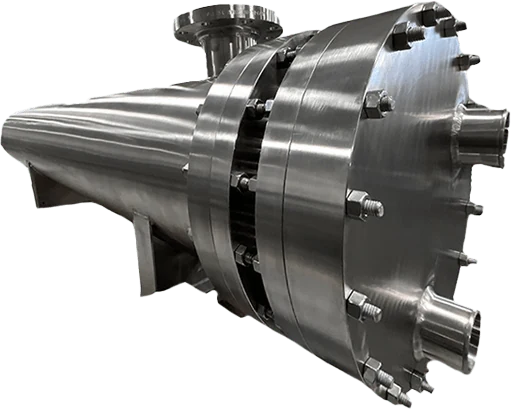
Code compliance
- ASME stamp on a shell above 15 psig
- 3-A symbol on the product side
- Hydrostatic test witnessed by the inspector
Material proof
- Mill test report for every 316L heat
- FDA letter for each gasket compound
- Ra readings on product-contact surfaces
What goes in the shipping file
A complete package for a Grade A unit falls into four folders. Not every plant needs all of them, so tell us which ones your QA program and your insurer will ask for and we build the file to match.
Pressure code
- Manufacturer's data report for the stamped shell
- Nameplate with MAWP and design temperature
- National Board number where the shell is registered
- Hydrostatic test pressure and date
Sanitary standard
- 3-A symbol on the unit when it is specified
- Statement of which 3-A standard the unit follows
- General arrangement showing drain points and slope
Materials
- Mill test reports for plate, tube and fittings
- Elastomer compound named with its FDA letter
- Positive material identification when requested
Tests
- Pressure test record for each side
- Surface finish readings with the instrument noted
- Passivation record for welded assemblies
Ask for it with the quote
Documents carry real cost: an Authorized Inspector's time, extra marking and recording on the floor, profilometer readings, third-party material checks. Listing them on the request lets us price them in and plan the build around them. A package added late usually means a partial file and a note explaining what was not recorded.
Does the product side get a stamp?
Not as a rule. The product side is sanitary: 316L, tri-clamp, drainable, built to 3-A where specified and pressure tested. Stamping it brings code fittings and inspection openings that can fight sanitary geometry. Where a UHT or high-pressure duty calls for it, we can quote it. The detail is on the ASME utility shell page.
When the insurer asks
Plant insurers and some state jurisdictions keep a register of pressure vessels and inspect them on a cycle. For them, the data report and the National Board number are the whole story. Have the shell registered at build if your jurisdiction expects it; registering a vessel after the fact is slow or not possible.
Replacement plates and bundles
New plates, gaskets and tube bundles ship with their own material reports and elastomer letters, so the QA file stays complete after a rebuild. A new bundle going in to an existing stamped shell may fall under the National Board Inspection Code at your site, so send the shell's nameplate data with the request and we match the original design conditions.
Documentation questions
The milk inspector is interested in the product side: material of construction, gasket compounds and their FDA compliance, and the 3-A symbol where the plant relies on it. The pressure paperwork matters to the insurer and boiler inspector instead. Keep both in one binder per unit so neither visitor waits while someone hunts for a page.
Yes. The package is assembled as one indexed file per unit, with the general arrangement drawing first, then the code documents, then material and test records in the order the drawing calls out the parts. Paper copies can travel with the unit when the plant wants a set at the press.
For a manufacturing-grade plant with a light audit it sometimes is. Most Grade A QA programs want the underlying mill reports and elastomer letters as well, because a conformance statement asserts the material without showing it. If your auditor has ever asked for a heat number, plan on the full set.
The plant does. The package is yours, and a stamped shell's data report is also filed with the National Board when the vessel is registered. Keep the file with the unit's maintenance records, because the next replacement plate order or inspector visit will go faster with the nameplate data and drawing at hand.
It helps. If your maintenance system tracks equipment by tag or asset number, give it to us with the order and it goes on the nameplate data sheet, the general arrangement and the index of the package. Years later, matching a binder to the right press in a room with four of them is then a matter of reading the tag.
Related
Materials & Certifications
ASME Utility Shell
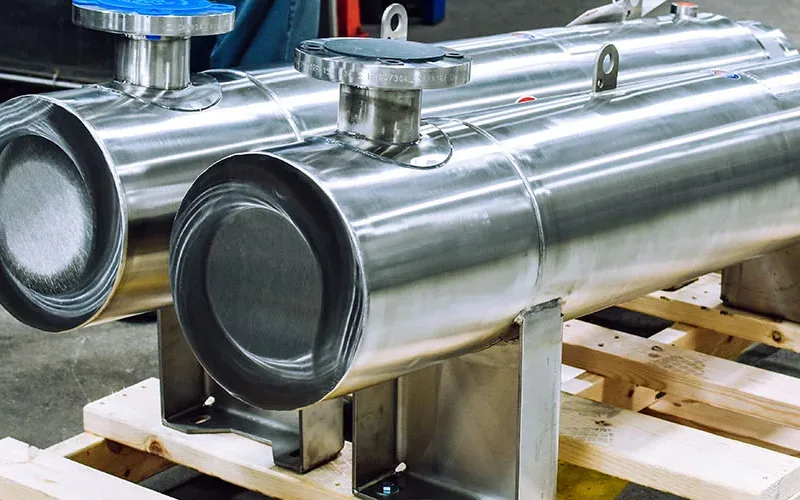
The ASME U stamp goes on the utility shell of a sanitary heat exchanger above 15 psig, while the product side stays sanitary and unstamped unless asked.
+ Learn More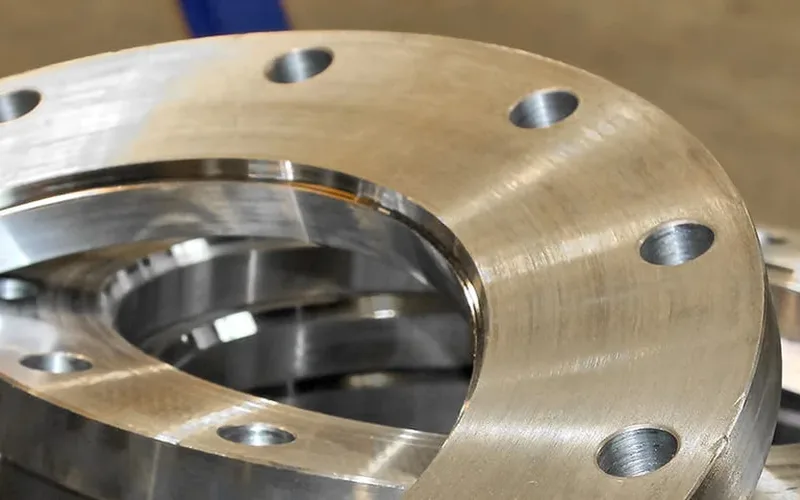
Materials & Certifications
Mill Certs & Traceability
316L mill certificates for a dairy heat exchanger: heat numbers, EN 10204 3.1 reports, elastomer FDA letters and the finish records a QA file asks for.
+ Learn More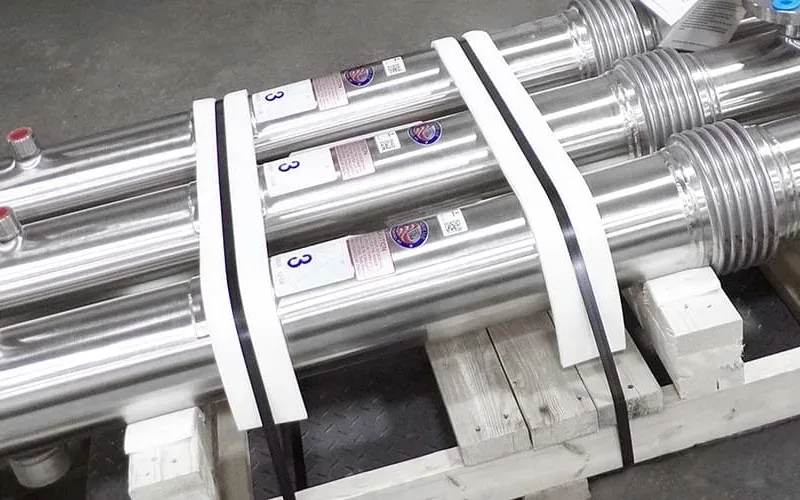
Materials & Certifications
3-A Sanitary
3-A sanitary standards for dairy heat exchangers: the plate and tubular standards, the symbol and its third-party check, and what 3-A leaves to other rules.
+ Learn More