
1-805-484-2992
Quotes - Engineering - SalesWhich side of the exchanger the code covers
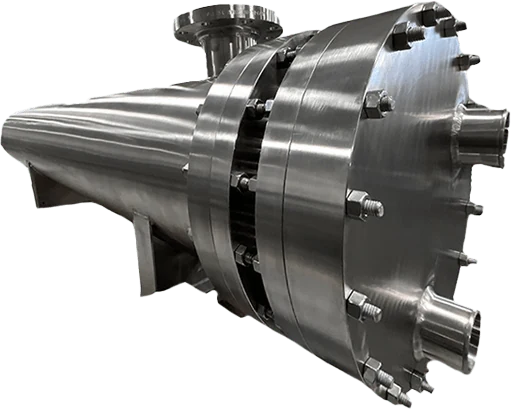
A sanitary tubular or shell exchanger has two pressure boundaries. The product side is the tubes, bends and tri-clamp ferrules that touch milk. The utility side is the shell or jacket that carries hot water, chilled water or propylene glycol around them. ASME Section VIII, Division 1 applies to vessels whose internal pressure exceeds 15 psig, and most plant utility loops run above that once pump shutoff head and static height are counted. So the utility shell is designed, built, inspected and stamped to the code; that mark is the ASME U stamp on the nameplate.
The product side is handled differently. The tubes carry shell pressure on their outside and are designed for it, but the product heads, bends and sanitary connections are built as sanitary components: 316L, polished, drainable, built to 3-A 12-08 where specified and pressure tested with the record in the file. They are not code-stamped unless the order asks for it.
That split is deliberate. Code fittings, inspection openings and code weld details on the product side would add crevices and cost without improving food safety, and the utility side is where the stored energy and the insurer's interest sit.
Three questions that decide whether the shell is stamped
- Does utility design pressure exceed 15 psig
- Does the vessel fall inside the code's size scope
- Does the plant, insurer or jurisdiction require registration
What the stamp covers and what it does not
The nameplate and data report describe the shell side. The product side has its own record in the sanitary package. Keep the two records together, because an inspector asking about the shell will often ask about the tubes next.
Utility shell, code side
- Code: ASME Section VIII, Division 1
- Mark: ASME certification mark with U designator
- Inspection: Authorized Inspector during build and test
- Record: Manufacturer's data report, Form U-1 or U-1A
- Registration: National Board, where specified
Product side, sanitary
- Standard: 3-A 12-08 for tubular units where specified
- Material: 316L, 32 Ra or 20 Ra
- Connections: Tri-clamp, self-draining
- Test: Pressure tested, record in the package
- Code stamp: Only when the order asks for it
Designing the shell for the stamp
Setting design pressure and temperature
Running pressure is the wrong number to start from. Design pressure should cover the utility pump at shutoff, the static head of the loop and the relief valve setting, with margin above all three. Design temperature follows the hottest water the hot-water set can deliver. On a glycol cooler, the cold end matters as much: the minimum design metal temperature on the nameplate has to cover the coldest glycol the chiller can send.
Write the utility fluid on the request as well. Hot water above its atmospheric boiling point, glycol concentration and any chance of steam reaching the shell all change the design conditions we put on the nameplate.
Hydrostatic test and inspection
Under Division 1 the shell is hydrostatically tested at 1.3 times the maximum allowable working pressure, adjusted for temperature, with the Authorized Inspector present to sign the data report. The product side is pressure tested separately and its result goes in the sanitary file. Both tests happen before final polishing and passivation are signed off, so the surfaces are not handled again afterward.
Relief, expansion and the plant piping
The code expects overpressure protection on the shell; on most installations that is a relief valve in the plant's utility piping, sized for the worst case, which includes a hot-water loop blocked in and heated. Product tubes and shell run at different temperatures, so straight-tube units carry an expansion joint or a floating design, and that joint is part of the code boundary.
- Relief valve on the utility loop, set at or below MAWP
- Expansion joint or floating head on long straight-tube shells
- Vent and drain on the shell for filling and lay-up
When the product side is stamped too
UHT and other high-pressure duties can push product pressure well past what a sanitary clamp is rated for. Some plants then ask for a product side built and stamped to the code as well. It is a valid choice, and we quote it on the UHT and high-pressure shell, with welded or code-rated connections where the clamp would be the weak point.
ASME questions
Running pressure is not design pressure. Design pressure has to cover the pump at shutoff plus the static height of the loop, with the relief setting at or above that, and most chilled water systems land above 15 psig. If the true design figure is below the threshhold, the shell can be built without the stamp, though some insurers ask for one anyway.
Yes. A plate frame can be designed and stamped to the code, and when it is, the stamp covers the frame as one vessel rather than a single utility side. It costs more and lengthens the build, so it is usually a plant or jurisdiction requirement rather than a choice. Say so on the request if you need it.
Often, but the paperwork follows the shell. Work on a stamped vessel in service may fall under the National Board Inspection Code at your site, so send the nameplate, the data report if you have it and the shell drawing. We build the new bundle to the original design conditions so your inspector has a clean comparison.
It changes how it is built and recorded more than how it looks. Welding procedures and welders are qualified, materials are traceable, nozzles are reinforced to calculation, and the inspector watches the test. The utility side does not need a sanitary finish, and its shell material is listed on the data report with everything else.
Related
Materials & Certifications
Mill Certs & Traceability
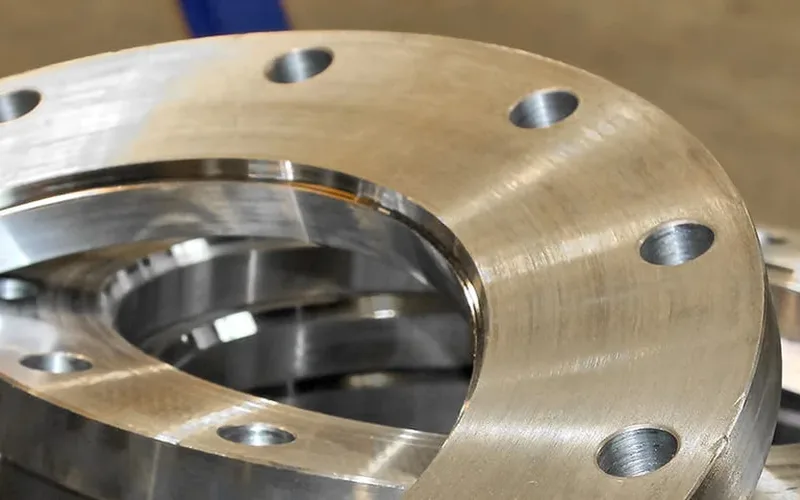
316L mill certificates for a dairy heat exchanger: heat numbers, EN 10204 3.1 reports, elastomer FDA letters and the finish records a QA file asks for.
+ Learn More
Materials & Certifications
Codes & Documents
ASME sanitary heat exchanger codes and the document package a dairy QA file expects: pressure code, 3-A, material traceability and test records.
+ Learn More
Materials & Certifications
3-A Sanitary
3-A sanitary standards for dairy heat exchangers: the plate and tubular standards, the symbol and its third-party check, and what 3-A leaves to other rules.
+ Learn More