
1-805-484-2992
Quotes - Engineering - SalesWhat a mill test report proves
Every batch of stainless poured at a mill is a heat, and every heat gets a number. The mill analyzes the chemistry of that heat, tests samples for strength and elongation, and issues a mill test report tied to the number. When the report says 316L, carbon is no more than 0.030% in A240 sheet (0.035% in A270 tube) and molybdenum sits between 2.00 and 3.00%, and those are the two figures that make 316L the right steel for milk, CIP caustic and the chlorides that come with them.
The report only proves something if the material in your exchanger can be tied back to it. That is traceability: the heat number marked on the sheet, coil or tube, carried onto each part as it is cut, and listed against that part on a material record. Break the chain at any step and the report becomes a document about some steel, somewhere.
QA programs ask for this because the alternative is taking the supplier's word. An auditor who can pick a plate or a tube, read its marking and find the matching report in the binder has seen proof, not a promise.
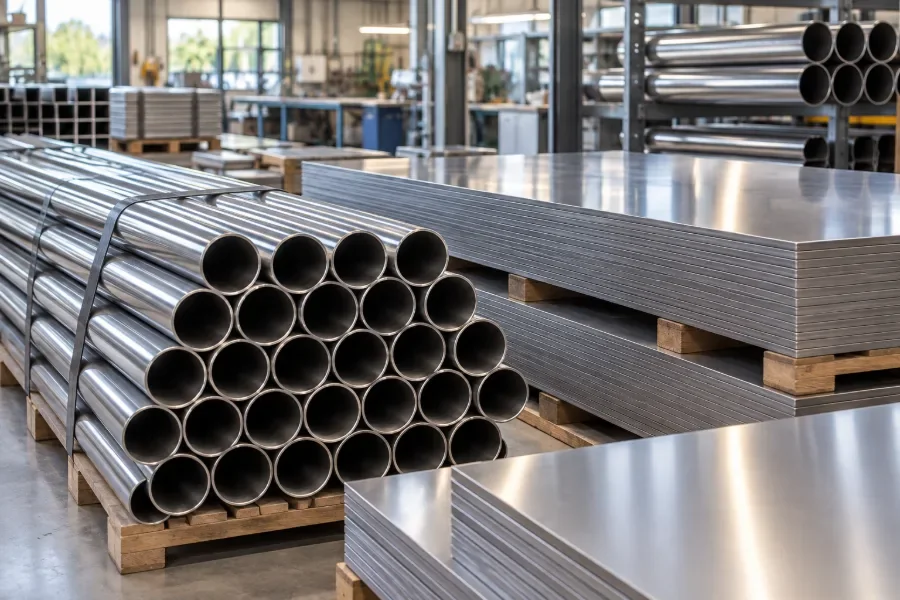
Three links in the traceability chain
- Heat number marked on the material as received
- Mill report that matches that heat number
- Material record tying each part to its heat
Reading a 316L mill test report
Check these lines first when a report arrives; a mismatch on any of them is a reason to hold the part.
On the report
- Specification: ASTM A240 sheet or A270 sanitary tube
- Heat number: Matches the marking on the material
- Carbon: 0.030% max sheet, 0.035% max tube
- Molybdenum: 2.00–3.00%
- Certificate type: EN 10204 3.1 or equivalent
What else the QA file holds
- Elastomers: Compound name and FDA 21 CFR 177.2600 letter
- Finish: Ra readings on product-contact surfaces
- Welds: Procedure and welder qualification records
- Passivation: Method and date for welded assemblies
- Conformance: Certificate of conformance to the order
Building the document package
EN 10204 report types
The European standard is the common shorthand even on American orders. A type 2.2 report states test results from the producer's normal production without tying them to the specific heat delivered. A type 3.1 report covers the actual material supplied and is signed by an inspection representative independent of the production department. A type 3.2 adds a purchaser's or third-party inspector's countersignature. Dairy QA normally asks for 3.1 or an ASTM report carrying the same heat-specific content.
Keeping the heat number alive on the floor
Plates are pressed from coil, tubes cut from lengths, heads and ferrules machined from bar. Each cut is a point where the marking can be lost, so the heat number is transferred onto the offcut that becomes the part, and the material record is written as the part is made, not reconstructed later.
- Plate packs recorded by coil heat, frame by frame
- Tubes and ferrules marked before polishing removes the stamp
- Material record listed against the general arrangement drawing
- Positive material identification on request, part by part
Elastomer letters and finish records
A gasket compliance letter speaks for a compound, not a batch, so it names the compound and states that it meets FDA 21 CFR 177.2600 for repeated-use food contact; the gasket box carries the lot. Finish records list Ra readings taken on product-contact surfaces with the instrument used, so a 32 Ra or 20 Ra claim can be checked. Gasket compound choice for cream and CIP is covered on 316L and elastomers.
What ships with new replacement parts
A new plate pack, a set of gaskets or a tube bundle changes what is in the frame, so the QA file has to change with it. Replacement plates arrive with the mill report for the coil they were pressed from, gaskets with the compound letter and lot, and a bundle with reports for its tubes, tubesheets and ferrules plus its own pressure test record. File them beside the original package and mark which parts they replaced, so the binder still describes the unit that is actually running.
Traceability questions
Some auditors accept it, but it does not prove the steel in your unit came from the heat that was tested; it only describes typical production. A 3.1 report closes that gap. Since the cost difference is small when it is planned at the quote, most plants ask for 3.1 and avoid the argument.
For new plates, gaskets and tube bundles we supply, yes: they arrive with their own reports and letters. For an older unit someone else built, the records belong to its builder and usually cannot be recreated. The practical answer is often positive material identification on accessible parts, recorded as a test rather than a certificate.
Not for dairy. USP Class VI is a biocompatibility test that pharmaceutical buyers ask for. A dairy QA file needs the FDA 21 CFR 177.2600 letter for the compound and, where the unit carries the 3-A symbol, confirmation that the elastomer meets the 3-A material requirements. Ask for USP only if the same line also runs a regulated pharmaceutical product.
PMI uses a handheld X-ray fluorescence analyzer to read the alloy of a finished part directly. It confirms molybdenum is present, which separates 316L from 304, but most handheld units cannot read carbon, so it does not prove the L grade. Treat it as a check on the paperwork, not a replacement for the mill report.
For the life of the unit. A plate pack can run many years, and the questions arrive at odd times: a new auditor, a corrosion failure, an insurance claim, a plant sale. Keep a digital copy with the maintenance records and a paper set in the QA office, and add each replacement part's reports as it goes in.
Related
Materials & Certifications
ASME Utility Shell
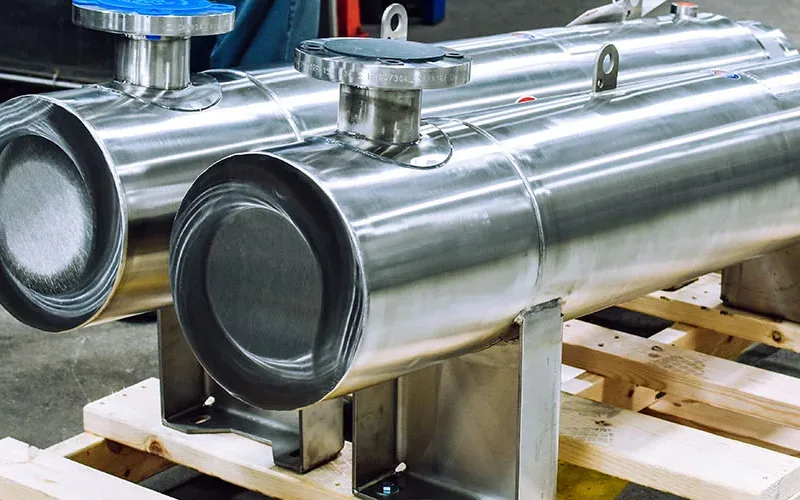
The ASME U stamp goes on the utility shell of a sanitary heat exchanger above 15 psig, while the product side stays sanitary and unstamped unless asked.
+ Learn More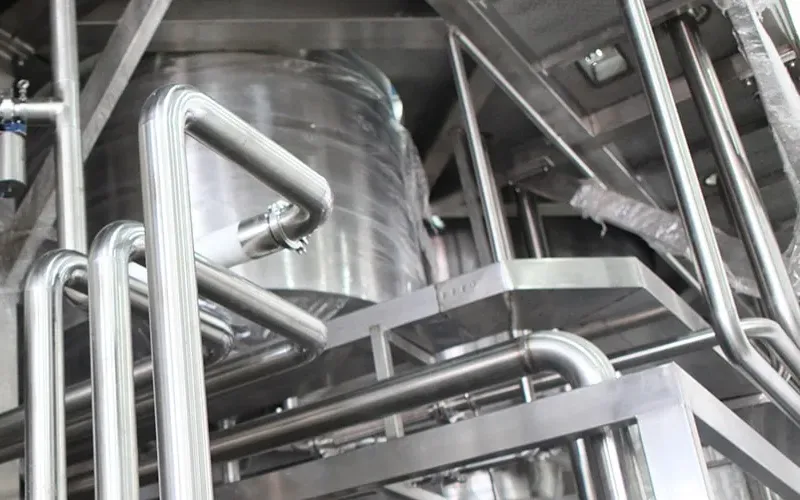
Materials & Certifications
Codes & Documents
ASME sanitary heat exchanger codes and the document package a dairy QA file expects: pressure code, 3-A, material traceability and test records.
+ Learn More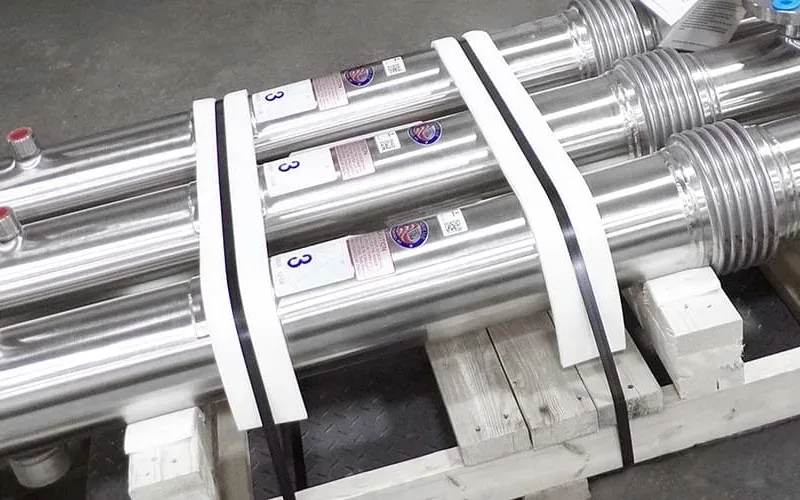
Materials & Certifications
3-A Sanitary
3-A sanitary standards for dairy heat exchangers: the plate and tubular standards, the symbol and its third-party check, and what 3-A leaves to other rules.
+ Learn More