
1-805-484-2992
Quotes - Engineering - SalesReplace Your Exchanger
New parts for the exchanger already on your floor
Most dairy exchangers outlive their plates. A frame bought for a pasteurizer twenty years ago can still be square and sound while the plates inside have thinned from thousands of wash cycles and the gaskets have hardened into a permanent set. Tubular units age differently: the shell stays sound while tubes pit, or a bundle fouls past the point where cleaning brings it back.
This section is for the engineer who needs that exchanger back on its original duty, or close to it, with new parts. We supply new replacement plates and gaskets matched to the frame you have, new tube bundles for sanitary shells that are staying, and complete new units built to drop into the old footprint. Everything is new. We do not regasket, re-plate or repair a customer-owned pack.
Matching starts with what the old exchanger can tell us: the nameplate, the plate count and arrangement, the gap, the port size and the compression dimension. The pages below explain how to read each one, and the manufacturer and model look-up gathers what we know about the frames dairy plants ask about most.
Where to start
Plate Packs & Gaskets
- New gasketed plates for a frame you are keeping
- Loose gaskets in EPDM, NBR or HNBR for sound plates
- One section or the full pack, matched plate by plate
Tube Bundles & Unit Swap
- New bundles for removable-bundle sanitary shells
- Complete units on the old footprint and connections
- Tube-in-tube replaced section by section or whole
Look Up by Manufacturer & Model
- The frame makes most often found on dairy lines
- What to read off each make's frame and nameplate
- Published model families only, with gaps flagged
Read the nameplate
Serial, model, year, design pressure and temperature
Count the plates
Plates per section, passes and the pack length
Pick new parts
Plates, gaskets, a bundle or a whole unit
Send the photos
Frame, nameplate, plate corner and connections
Signs the plates are done
Plates rarely fail all at once. The usual sequence is a slow loss of regeneration as fouling and thinning add up, then a gasket weeping at a port corner, then a failed leak test on the regenerator. If the pack has already been regasketed more than once, the plates under those gaskets are usually near the end of their life, and new plates cost little more than another round of gaskets.
Signs the frame is done
Corroded tie bars, a pressure plate that no longer runs true on the carrying bar, cracked port linings, or a frame that cannot reach its compression dimension without overtightening all point past a new pack. So does a duty that has outgrown the frame. In those cases a complete new unit is usualy the sounder spend.
What we need to match it
At minimum: a clear photo of the nameplate, the plate count in each section, the plate-hanging list if you have one, and the measured pack length when tight. For tubular units, the shell nameplate, the overall length, the tube count visible at the end, and the nozzle sizes and positions. Product and utility temperatures let us check that the old design still fits the duty.
Matching the old performance
A new pack is matched to the duty as well as the frame. If the old unit was marginal, running warm at peak flow or losing regeneration early, we will say so and suggest a change in plate type or pass arrangement that still fits the frame. Copying an old mistake exactly is rarely what the plant wants.
Call and talk it through with an engineer: 1-805-484-2992
Replacement questions
They are matched to it. We work from the plate model, the hanger and port geometry, the gap and the compression dimension of your frame, and the new plates come with a hanging list so the pack goes back in the right order. Where a frame has been modified and the details are unclear, we confirm them from photos and measurements before ordering.
Yes, and those are common requests. When plates for an old frame are no longer available, the answer is usually a complete new unit built to the same duty, footprint and connection positions, so the piping reconnects without rework. The old nameplate and a set of measured dimensions are enough to start.
There is no fixed number of years; plate life depends on wash chemistry, temperatures, how often the pack is opened, and chloride in the water. Gaskets usually need renewing well before the plates do. A pack that has been regasketed twice and is starting to fail leak tests is the usual point where new plates pay for themselves.
Often, and it is worth asking. A cream or butter-cream section running EPDM may last longer on NBR, since fat swells EPDM; a section seeing hot water and aggressive CIP may do better on EPDM or HNBR. Tell us the product, the CIP temperatures and chemicals, and how the old gaskets failed.
Material documents for the plate stainless and compliance documents for the gasket compound, which is FDA 21 CFR 177.2600 compliant for product contact. Whether the frame as a whole carries the 3-A symbol depends on how it was originally built, so tell us what the inspector expects and we will say plainly what the new parts can and cannot cover.
Related
Sizing & Selection
Plate Packs & Gaskets
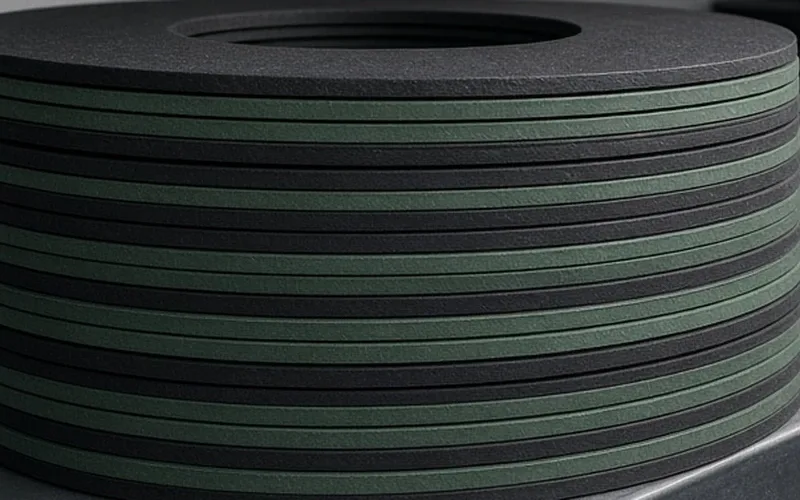
Replacement plates and gaskets for dairy plate heat exchangers: new plates and new gaskets matched to your frame and duty, supplied for your crew to hang.
+ Learn More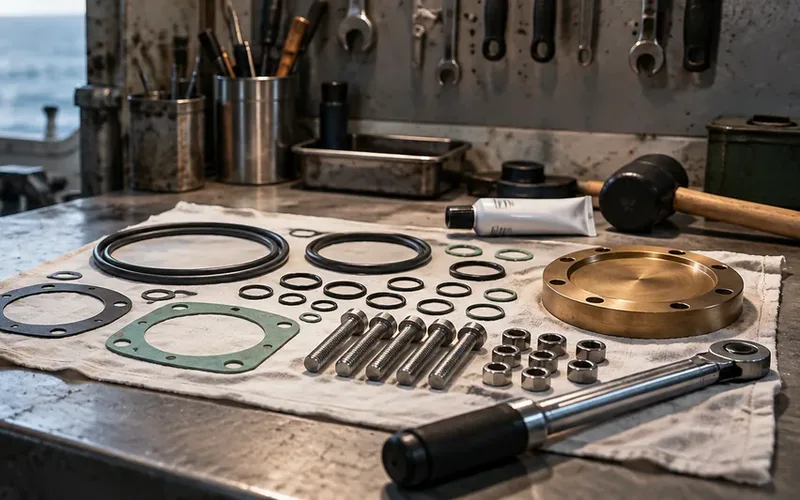
Sizing & Selection
Tube Bundles & Unit Swap
Tube bundle replacement for sanitary dairy exchangers: new bundles for removable-bundle shells, or a complete drop-in unit matched to the old footprint.
+ Learn More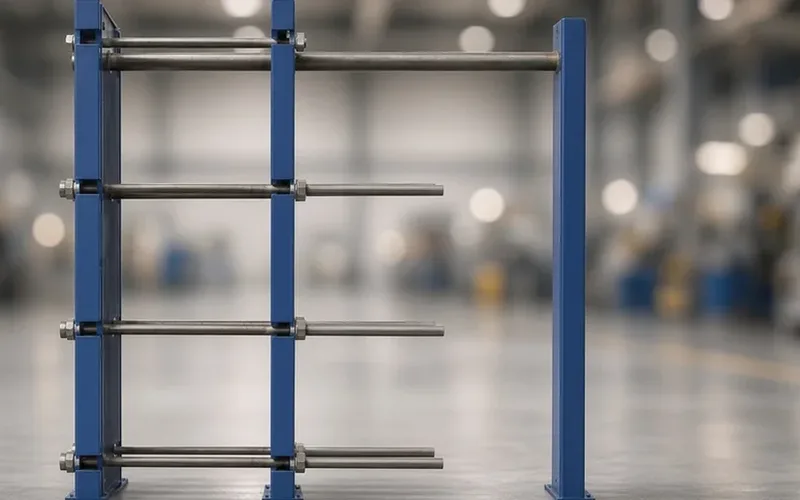
Sizing & Selection
Look Up by Manufacturer & Model
Plate heat exchanger replacement by model: find the make on your nameplate, see what to read off its frame, and request new plates, gaskets or a unit.
+ Learn More