
1-805-484-2992
Quotes - Engineering - SalesBefore it ships
Four reviews every dairy exchanger has to pass
A dairy heat exchanger is judged on more than its thermal duty. Before product runs through it, a state regulatory inspector, a customer auditor, the plant's own QA group and sometimes an insurance inspector will each look at a different part of it. The inspector wants the product side cleanable, inspectable and built to the standard the PMO points to. The auditor wants the finish, the elastomers and the records. The insurer looks only at the utility side and the pressure it carries.
This section sorts those reviews into four groups so you can see which ones apply to the unit you are buying: 3-A conformance and the symbol, sanitary design on the product side, the PMO rules that govern a Grade A pasteurizer, and the code stamps and documents that travel with the unit. Each group has its own pages with the figures that matter and the mistakes we see most often. Start with the group that worries you most; the rest usually follow from the same few answers about plant grade, product and utility.
None of it changes the construction choice. Gasketed plate, wide-gap, tube-in-tube or straight tube is still decided by the product and the duty. What this section settles is how that construction is finished, marked and documented, so that it passes on the day it is commissioned rather than on the second visit after a list of corrections. A cream heater that will be inspected under the PMO and a permeate cooler in an ingredient plant can share the same plate pattern and still need different gaskets, different paperwork and a different nameplate.
3-A Sanitary: The 3-A plate standard (11 series, now 11-10), the tubular standard (12 series, now 12-08), how the symbol is earned, and when food-grade construction is enough.
Sanitary Design: 316L on the product side, EPDM or NBR gaskets picked by fat and wash chemistry, a 32 Ra finish, tri-clamp ends and a product path that drains.
PMO & Grade A: The regenerator rule that holds pasteurized milk at least 1 psi above raw, and the leak tests that show a plate pack is still sound.
Codes & Documents: ASME Section VIII on a utility shell running above 15 psig, mill certificates for the 316L, and the traceability file a QA manager keeps.
Say it in the request
Most delays in this area come from a requirement that surfaces after the order is placed: a QA manager who wants 20 Ra rather than 32 Ra, a regulatory inspector who expects the 3-A symbol on a whey cooler, or an insurance inspector who will not accept an unstamped shell on steam-heated water. Each one is simple to build in at the start and slow and costly to add once steel is cut. The usual result is a unit that sits on the dock while a drawing is revised and a part is remade.
So put it on the request. Tell us wether the plant is Grade A or manufacturing grade, whether the symbol is required, the finish the audit specifies, the gasket compound the plant has standardized on, and the highest pressure the utility side will see. The quote checklist covers the thermal side of the same request.
What comes back with the unit
The quotation names the 3-A standard the unit is built to, the product-side alloy, the finish, and the elastomer for each gasket position. With the unit come material certificates for the product-contact steel, a compliance statement for each elastomer, and the code data report whenever the utility side is ASME-stamped. Keep them with the drawing; the first thing an auditor asks for is the record behind a part, not the part itself.
New replacement plates, gaskets and tube bundles are documented the same way. A new plate pack for an existing frame carries its own material and compound records, so the file your auditor keeps stays complete after the swap instead of showing a gap where the old pack used to be. The codes and documents pages list what each record shows.
Related
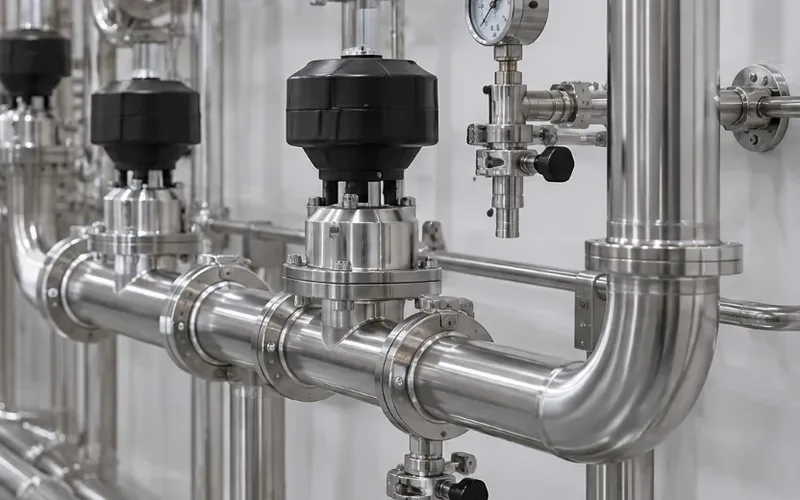
Materials & Certifications
3-A Plate Exchangers
A 3-A plate heat exchanger is built to the 3-A 11 series, now 11-10. What the standard asks of plates, gaskets, ports and inspection access on dairy duty.
+ Learn More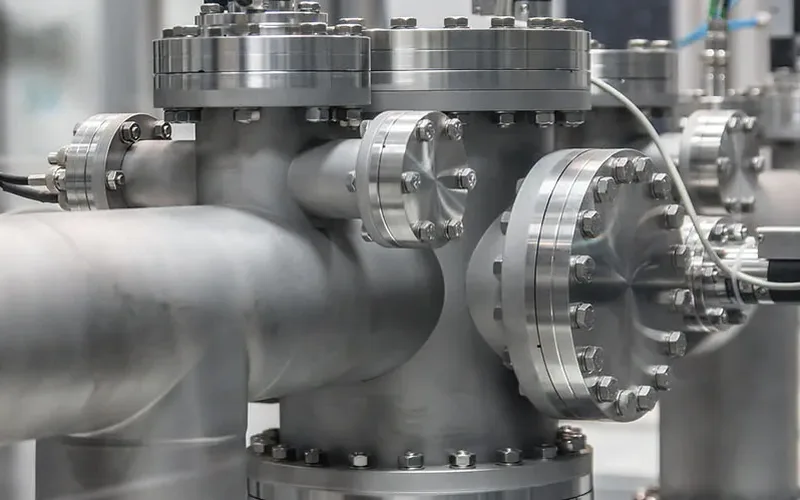
Materials & Certifications
Pressure Differential
PMO pressure differential regenerator rule: pasteurized milk held at least 1 psi above raw, with booster pump and differential controls in outline.
+ Learn More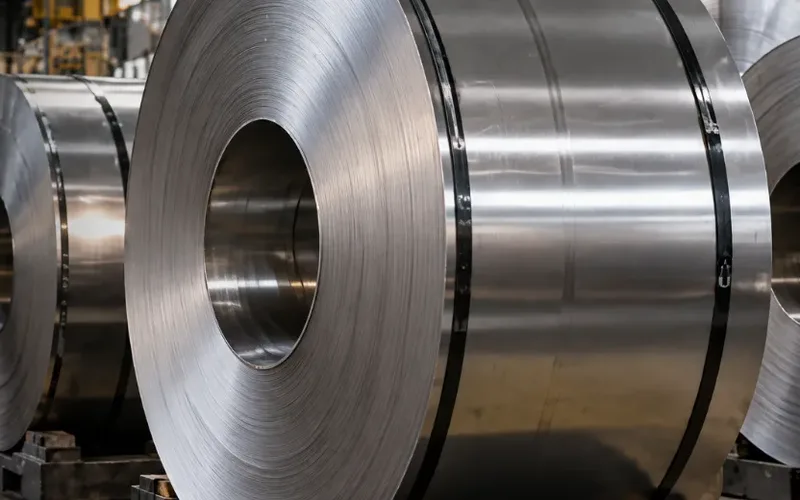
Materials & Certifications
32 Ra or 20 Ra Finish
A 32 Ra surface finish is the dairy heat exchanger standard, and 20 Ra goes on when the audit asks. Where finish is measured, where it slips, what it adds.
+ Learn More