
1-805-484-2992
Quotes - Engineering - SalesHow a pack is matched
A plate pack is defined by seven things: the plate count in each section, the plate model, the channel gap, the chevron angle, the pass arrangement, the port size and the compression dimension. Get all seven right and the new pack hangs, tightens and performs like the original. Get one wrong and the pack either will not close, will not seal, or closes and seals while missing its outlet temperature.
Section by section
Most of these can be read or measured at the frame. The plate model is on the nameplate or stamped on the plates. Count and arrangement come from the hanging list or a careful count with the pack open. Gap and chevron show on a single plate held up to the light, and the compression dimension is a tape-measure job between the frame plate and the pressure plate with the pack tight.
Where the frame carries more than one section, each section is matched on its own.
The seven
- Plate count per section, including end and connector plates
- Plate model, from the nameplate or the plate stamping
- Channel gap: standard about 3–5 mm, wide-gap about 6–12 mm
- Chevron: high theta, low theta, or a mix
- Pass arrangement on each side of each section
- Port size and connection type
- Compression dimension with the pack tight
usual wide-gap channelA wide-gap plate at about 6–12 mm will not drop into a frame set up for standard plates without a new compression dimension, and sometimes not at all.
Reading a pass arrangement
Pass arrangement is written per side, as passes times channels per pass. It is the field most often recorded wrong.
- One pass each side: all channels in parallel, lowest pressure drop
- Multi-pass: the stream turns through the pack two or more times for a longer path
- Unequal passes: product and utility sides arranged differently to balance velocity
- Turning plates: blanked ports that force the turn, and easy to miss when counting
- Write it as passes × channels, for example 2 × 12, for each side
Call and talk it through with an engineer: 1-805-484-2992
Why each measurement matters
Plate count sets the heat transfer area, but the number that matters is thermal plates per section. End plates and connector plates carry gaskets and take up pack length without doing the same work, so a count that lumps them in overstates the area. Count from the frame plate, note every plate with blanked ports, and write the section boundaries down as you go.
Gap and chevron together set how hard each plate works. A high-theta plate gives high turbulence and a high coefficient, with a high pressure drop to pay for it; a low-theta plate runs gentler, with less pressure drop and less duty per plate. Many packs mix the two to tune a section, which is why one plate photographed square-on from each section is worth sending.
Passes decide the velocity in each channel. A section rearranged from one pass to two doubles the channel velocity and raises the pressure drop several times over, which the pump may not have to give. If the old arrangement is unknown, the plates with blanked ports tell you where the turns are.
The compression dimension is the check that the count is right. Each frame model has a tightened pack length for a given amount of plates, from the maker's data or from your own records. If your measured length and your count disagree with that figure, something in the pack is not what it seems: a missing plate, an extra connector, or a mix of gaps.
Port size and connection type come last but stop the job if they are wrong. A pack with the right plates and the wrong port diameter will not line up with the frame plate connections. Measure the port, not the pipe outside it. For the frame-side details, reading the nameplate covers what the plate cannot tell you.
Count thermal plates per section; end and connector plates do different work
A pack whose measured length and count disagree is hiding a plate somewhere.
Request a QuoteMatching questions
Not always. With the pack tight you can often count plate edges along the side, using the gasket lines as a guide, and check the total against the compression dimension. Section boundaries and turning plates are harder to see closed, so if the pack is due to be opened anyway for cleaning or a leak test, take the count then and photograph each connector plate.
Yes, and sometimes it is the cheapest way to fix a section that never quite reached its outlet. Moving some plates from low to high theta adds duty without adding plates, at the cost of more pressure drop. We check the product pump and the pasteurized-side pressure margin before proposing it, and the quote lists the new mix plate by plate.
Trust the frame. Lists drift as plates are swapped during repairs, sections are rearranged or a turning plate is replaced with a standard one. We quote from a fresh count and measured dimensions and flag any difference from the old list. If frame and list disagree on a regenerator, a leak test before ordering the new pack is worth the time.
Rarely as a number, though the plate designation sometimes implies it. Measure instead: the pressing depth of a single plate is close to the channel it forms. Standard dairy plates sit around 3–5 mm; wide-gap plates for cream and mix run about 6–12 mm. A photograph of a plate edge beside a ruler is usually enough for us to confirm it.
It can. A frame with a large product flow through the regenerator and a smaller utility flow in the cooler may use connector plates with different port sizes, and some frames carry intermediate connections of a different size from the end connections. Record port size and connection type at every connection point, not only at the frame plate.
Related
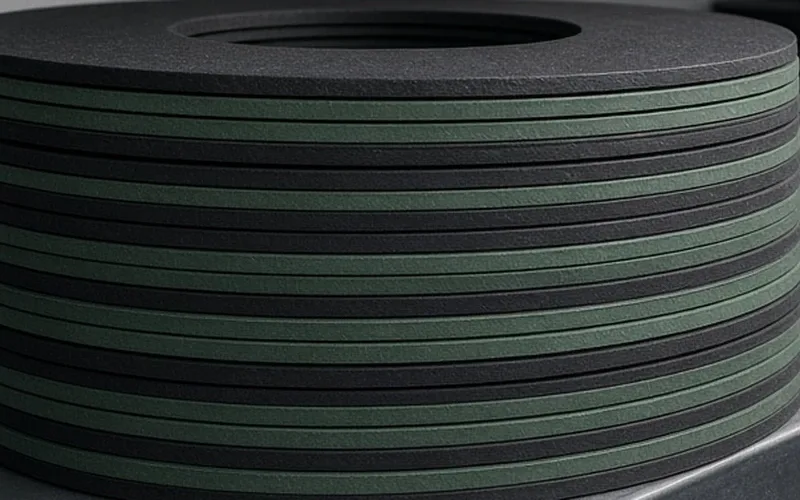
Sizing & Selection
Plate Packs & Gaskets
Replacement plates and gaskets for dairy plate heat exchangers: new plates and new gaskets matched to your frame and duty, supplied for your crew to hang.
+ Learn More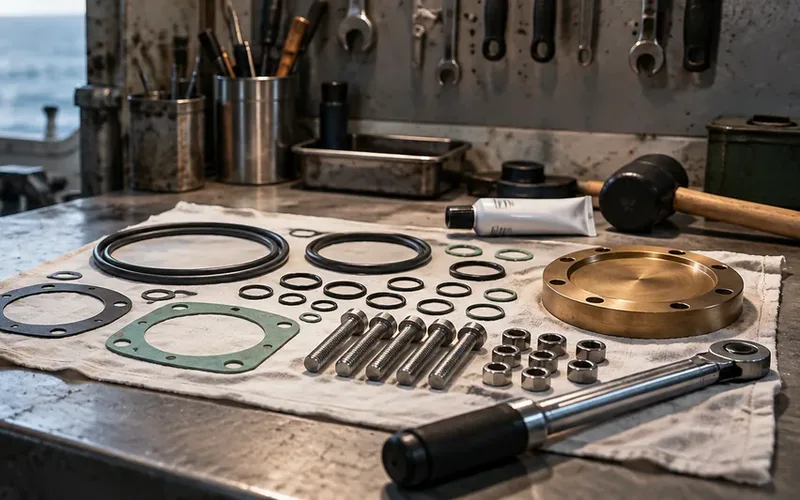
Sizing & Selection
Tube Bundles & Unit Swap
Tube bundle replacement for sanitary dairy exchangers: new bundles for removable-bundle shells, or a complete drop-in unit matched to the old footprint.
+ Learn More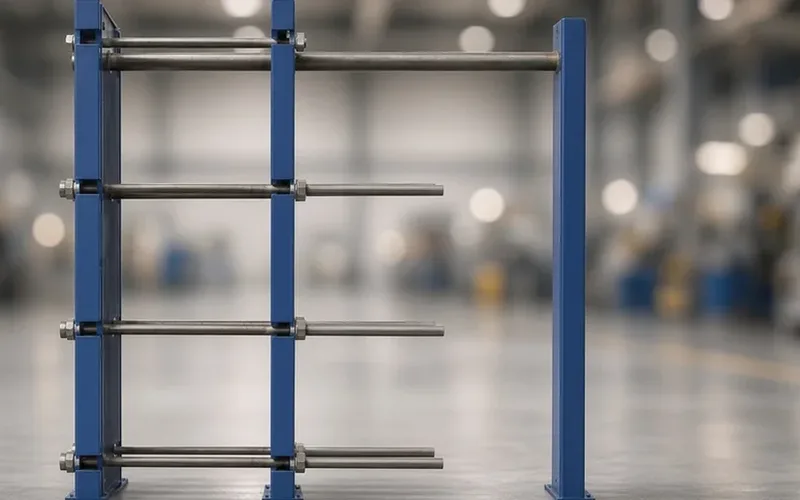
Sizing & Selection
Look Up by Manufacturer & Model
Plate heat exchanger replacement by model: find the make on your nameplate, see what to read off its frame, and request new plates, gaskets or a unit.
+ Learn More