
1-805-484-2992
Quotes - Engineering - SalesWhat a nameplate can tell us
The nameplate is the shortest route to the right replacement. On a plate frame it usually carries the model, serial number, year of manufacture, and the design pressure and temperature range, sometimes with the test pressure and a maximum plate count. On a tubular unit it adds the code stamp and separate ratings for the shell and tube sides. One sharp photograph of it saves a page of questions.
Serial first
The serial number is the most useful single field. Frames are built to order, and the serial ties a frame to its original plate arrangement, gap and elastomer, which the model name alone does not hold. Read it exactly, including leading zeros, letters and dashes.
Nameplates on dairy frames take years of washdown, and many are faded, painted over or missing. When that happens the frame itself still has the answers, and the article further down shows where to look for them.
Fields to read
- Model or type designation, exactly as stamped
- Serial number, including letters and leading zeros
- Year of manufacture
- Design pressure and design temperature, each side if shown
- Test pressure and any code stamp
- Maximum plate count or volume, where given
the minimum set we ask forFour photos usually identify a frame: the nameplate square-on, the whole unit side-on, one plate corner with its port, and the pack with a tape across it.
What to photograph
Send at least the first 4 views below, plus any of the rest you can get, each in good light and square to the subject.
- The nameplate, square-on, filling the shot, no glare
- The whole exchanger from the side, showing every section and connection
- One plate corner with the port, gasket and any stamping visible
- The pack with a tape measure from frame plate to pressure plate
- Each connector plate and its connections
- For tubular units: both ends, the nozzles and the shell nameplate
Call and talk it through with an engineer: 1-805-484-2992
When the nameplate is no help
A painted-over plate can often be read under raking light, with a flashlight held almost flat to the surface, because stamped characters keep their depth under paint. A missing plate is not the end either. Many frames also carry the serial stamped into the frame plate or a support column; look there before assuming it is gone.
Plates carry their own markings. Most pressed plates show a pattern or model code, and sometimes a material grade, near a port or along the hanger notch. Combined with the measured port size and the plate's overall height and width, that is usually enough to identify the plate even when the frame is anonymous.
Design pressure and temperature matter beyond identification. A frame rated below the pressure your hot-water set or booster pump can deliver is a frame to replace, not re-plate. On a milk-to-milk regenerator, the rating has to cover the pressure the pasteurized side runs at to stay above the raw side.
Tubular units read differently. The shell nameplate gives shell-side and tube-side design conditions seperately, plus the ASME Section VIII stamp where the shell runs above 15 psig, and a 3-A symbol plate may sit beside it. Photograph both, and the nozzle schedule if one is attached.
Write down what the frame does as well as what it says. A nameplate tells us how the frame was built; the product, flow and temperatures it runs today tell us whether a straight copy of that build is still the right answer, or whether the replacement should change.
Once the nameplate is read, the pack itself still needs counting and measuring; plates, gap and passes covers that half of the job.
Read the serial exactly, letters and leading zeros included
A clear nameplate photo is the single most useful attachment on a replacement request.
Request a QuoteNameplate questions
Often, yes. A side view of the frame, a plate corner, the port size and the pack length will narrow it to a plate family even without a nameplate. What photos cannot give with certainty is the original arrangement and gap, so we ask for the plate count per section and confirm the gap by measurement before plates are ordered.
It helps date the design. Plate patterns, gasket attachment methods and 3-A editions have all changed over the decades, and the year tells us which applied when the frame was built. A frame from before the current 3-A plate standard edition may still be a sound frame, but it is worth checking with QA what the inspector will accept.
Many nameplates state the maximum the frame can hold, not the count fitted, and packs are often changed after delivery. Go by a fresh count of the frame as it stands. If the frame holds more plates than its nameplate maximum, something has been changed, and the compression dimension needs checking before anything is ordered.
It happens when a frame has been rebuilt, extended or re-rated, or when a 3-A symbol plate sits beside the original plate. Photograph every plate and tag on the unit, including small tags on connector plates or the carrying bar. The newest usually describes the frame as it stands today, while the original ties it to its first build, and we need both.
If you have them, yes. An original data sheet or plate-hanging list shows the duty the frame was designed for and the arrangement it left with, which is the best baseline for a replacement. Treat it as history, though: compare it with the frame today, since changes made over the years rarely make it back into the file.
Related
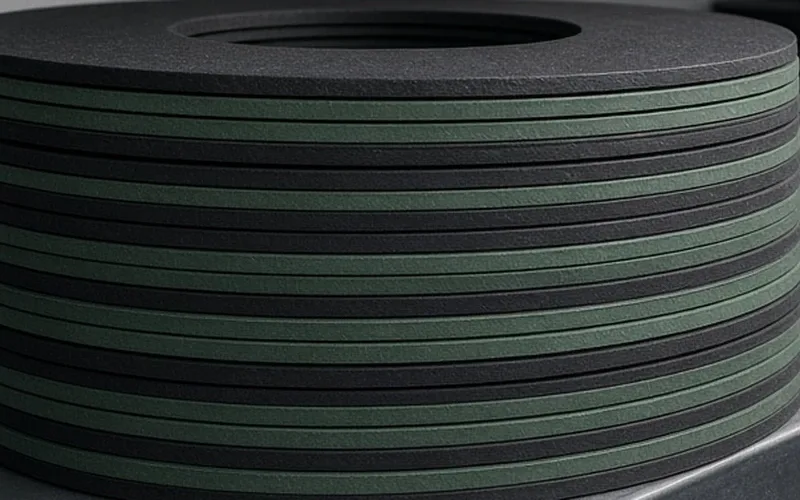
Sizing & Selection
Plate Packs & Gaskets
Replacement plates and gaskets for dairy plate heat exchangers: new plates and new gaskets matched to your frame and duty, supplied for your crew to hang.
+ Learn More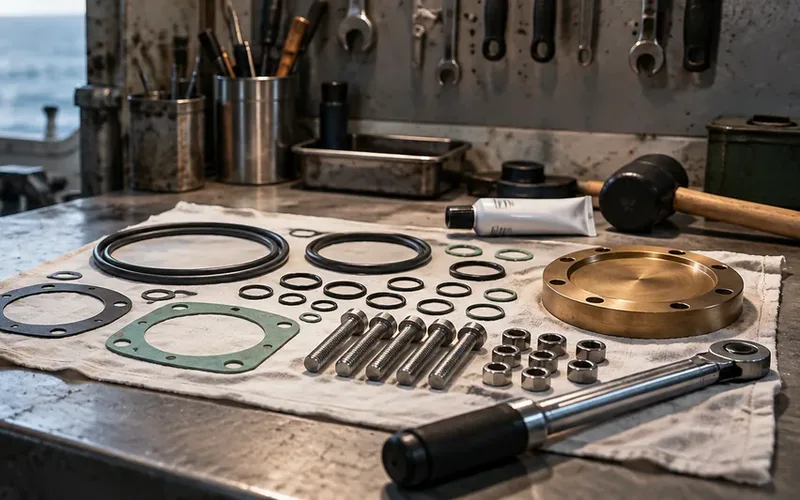
Sizing & Selection
Tube Bundles & Unit Swap
Tube bundle replacement for sanitary dairy exchangers: new bundles for removable-bundle shells, or a complete drop-in unit matched to the old footprint.
+ Learn More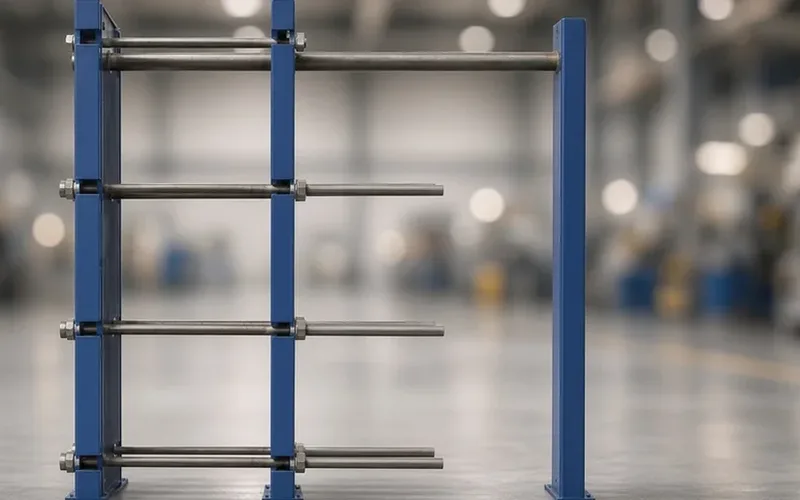
Sizing & Selection
Look Up by Manufacturer & Model
Plate heat exchanger replacement by model: find the make on your nameplate, see what to read off its frame, and request new plates, gaskets or a unit.
+ Learn More