
1-805-484-2992
Quotes - Engineering - SalesTwo names, two makers
Plant records often file Kelvion and Sondex together, but they are separate makers under separate owners, and plates from one do not hang in a frame from the other. Before anything is ordered, confirm which name is stamped on the fixed-frame nameplate. That one check saves a wrong order and a frame left open while the right plates are made.
Kelvion publishes its gasketed plate range as lettered series. The ones a dairy buyer is likely to see are NT, which the maker presents as its series for a broad range of duties with food-approved gasket options; NF, a free-flow plate with a channel of constant width for media carrying fiber or solids; and ND, a double-wall plate pair aimed at keeping incompatible media apart. The maker lists dairy and other viscous food products among the duties its gasketed units serve.
The Sondex name is published today as a heat exchanger brand of Danfoss, a company unrelated to Kelvion, whose sanitary gasketed frames are presented as an H-Frame line-up designed according to 3-A, for raw milk cooling, milk pasteurization, cream, yogurt, ice cream mix, cheese milk and whey. Older Sondex frames in a dairy may predate that line-up, so the nameplate and a plate sample count for more than a catalog name.
Which make, which series, which plate
Start with the name on the fixed frame, then the series. Everything after that is the same section-by-section record we take for any dairy press.
Read off the frame
- Maker on nameplate: Kelvion or Sondex, never assumed
- Series letters: NT, NF, ND or an H-Frame designation
- Serial number: Stamped on the fixed-frame plate
- Plate type: Chevron, free-flow or double-wall pair
- Plates per section: With connection plates marked
What we supply
- New plates: Made to fit the series and size you record
- New gaskets: Compound matched to each section's duty
- Equivalent new unit: A complete sanitary frame sized to your duty
- Needed to quote: Product, particulates, flows, temperatures, utility
- Scope: Plates, gaskets or a full unit, stated up front
Check the frame plate before you trust the purchase record
Purchase records and maintenance software often carry whichever name was on the last invoice. The stamped plate on the fixed frame is the reliable source, and it takes a minute to read.
When the record and the frame disagree
It happens more often than plants admit: the maintenance system lists one maker, the frame carries another, and the plates on the shelf came from a third source. Plates from different makers rarely share port spacing, hanging slot or gasket groove, so a pack built from mixed stock will not seal.
When the evidence conflicts, measure a plate: overall height and width, port center distances, port diameter and pressing depth, and photograph the hanging slots at top and bottom. Those readings settle the make and the plate size, and we quote from them rather than from the record.
Free-flow and double-wall plates
A free-flow channel of constant width suits a dairy stream with fines or fiber, such as whey carrying curd fines or a dessert base with cocoa. It does not suit broken cultured product, which needs a tube-in-tube unit to keep its texture.
A double-wall pair costs heat transfer, so a regenerator moved onto it needs more plates for the same regeneration. Where raw and pasteurized milk must stay behind two walls, we size the new section for that duty and confirm the frame has the bar length to carry it.
Call and talk it through with an engineer: 1-805-484-2992
Source note: Kelvion and Sondex are trademarks of two separate, unrelated owners, mentioned here so plant staff can cross-reference installed frames. Series and line-up names were taken from each maker's published product pages in October 2026, and nothing those pages omit is stated here.
Frame and plate questions
Do not assume so. They come from different makers, and port spacing, hanging slots and gasket grooves are set by each maker's own pressing tools. We match new plates to the make and series stamped on your frame, and if the frame has carried mixed plates before, we start from a measured sample.
Yes, as new double-wall plates sized for that section's duty, or as part of a complete equivalent unit. The PMO differential, pasteurized at least 1 psi above raw, still applies across a double-wall regenerator, so tell us how your controls hold it before we size the section.
EPDM in most cases. Whey and permeate are low in fat, so the swelling that pushes plants to nitrile on cream does not arise, and EPDM handles the hot caustic and acid of daily CIP better. If the same frame also runs cream in another section, order nitrile for that section only.
Related
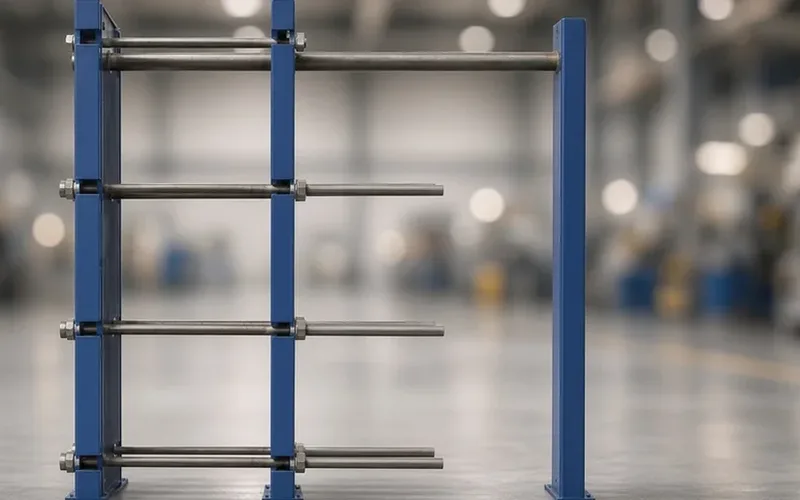
Sizing & Selection
Look Up by Manufacturer & Model
Plate heat exchanger replacement by model: find the make on your nameplate, see what to read off its frame, and request new plates, gaskets or a unit.
+ Learn More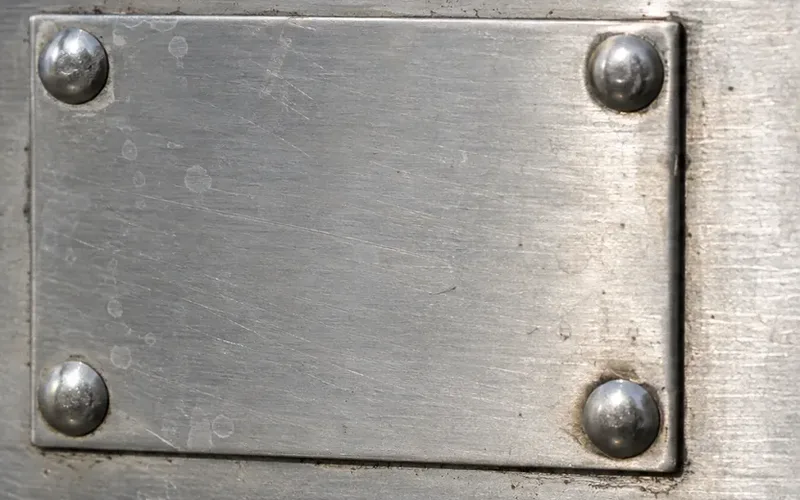
Sizing & Selection
Read the Nameplate
How to read a plate heat exchanger nameplate or a tubular unit's plate: serial, model, design pressure and temperature, year, and what to photograph.
+ Learn More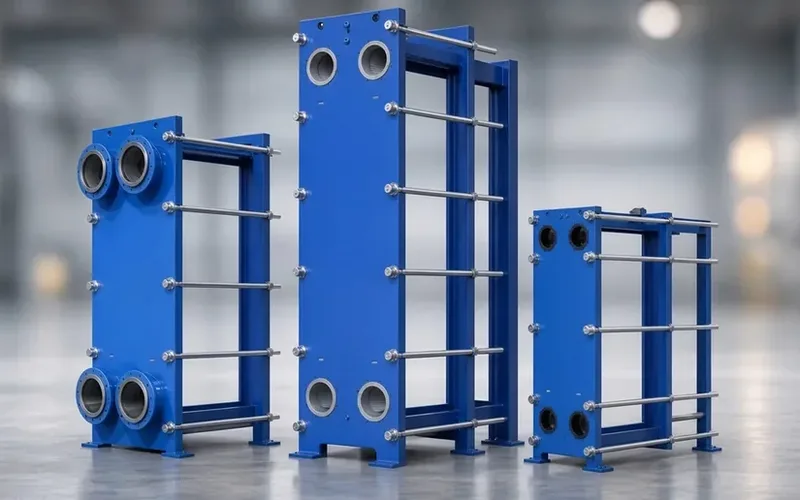
Sizing & Selection
Plates, Gap & Passes
How a replacement pack is matched: plate heat exchanger plate count, plate model, gap, chevron, passes, port size and the compression dimension.
+ Learn More