
1-805-484-2992
Quotes - Engineering - SalesGEA pasteurizers and the exchanger inside them
Most dairy plants meet GEA heat transfer inside a packaged process line rather than as a loose exchanger. GEA publishes the Compact Milk Pasteurizer MWA for milk, cream and whey, a GEA milk pasteurizer with a skimming centrifuge, GEA Pasteurizer Systems for Dairy Applications, and an indirect UHT system it describes as tubular, with a heating medium such as water kept apart from the product.
On a skid the exchanger is one component among a separator, pumps, holding tube, valves and controls. When the plates or tubes wear out, the skid usually has years left. The question becomes narrow and practical: what new heat-exchange section fits the existing piping, keeps the same regeneration and lets the controls run without reprogramming.
For the compact MWA pasteurizer GEA publishes a heat recovery of 92 percent in its regenerative sections, and a differential pressure control option that keeps the pasteurized side at the higher pressure in case of a plate crack. Both point at the regenerator as the section that matters most. A new section must hold the same pressure relationship, pasteurized at least 1 psi above raw, or the skid's monitoring will flag it.
Taking the exchanger off the skid
Gather the skid data first, then the exchanger data. The skid sets the connection points and the duty; the exchanger nameplate tells us what sits in the frame or tube module now.
From the skid and exchanger
- Skid name and serial: From the skid nameplate or drawing
- Exchanger type: Plate frame or tubular module
- Sections: Regenerator, heater, cooler and any separator take-off
- Separator inlet: Temperature where milk leaves for skimming
- Connection points: Size and position of each skid nozzle
What we supply
- New plates and gaskets: Section by section, to fit the existing frame
- New tubular section: Equivalent tube-in-tube or straight tube
- Equivalent new exchanger: Same nozzle positions, same regeneration
- Needed to quote: Product, flow, temperatures, utility, 3-A or PMO
- Delivery basis: Parts or a complete exchanger for your crew to install
Keep the skid and change only the part that has worn
A pasteurizer skid can outlast several plate packs. When the regenerator leaks or the heater fouls early, a new heat-exchange section at the same nozzles is usually the quickest way back to licensed production.
The separator take-off
Where the skid carries a skimming separator, raw milk leaves the regenerator part-way through heating, goes to the separator and returns to finish heating. That take-off is built into the plate pack as a connection plate. A new pack must put it at the same point, or the separator sees the wrong temperature and skimming efficiency falls.
We read the take-off from the existing pack and the skid drawing. Send the temperature at the separator inlet as well as the pasteurizing temperature, 161°F for milk or 166°F where fat is 10 percent or more, so the split is sized for both.
Tubular sections on UHT and viscous duty
The published GEA indirect UHT system uses tubular exchangers. Gasket life and pressure push most UHT milk duty at 275–300°F onto tubes, so a worn section there is renewed as tubes. We supply UHT and high-pressure shell units and tube-in-tube modules matched to the line.
A skid published for milk, cream and whey can run all three, but not always well at the same plate pattern. When a plant moves heavy cream onto a line first set up for milk, the cooler is usually the first section to suffer, and a wide-gap cooling section or a seperate cream cooler is what we quote.
Call and talk it through with an engineer: 1-805-484-2992
Source note: GEA is the trademark of its owner and is named here to help identify installed equipment, nothing more. Product names on this page are drawn from the maker's published pages as reviewed in October 2026; where it publishes no detail, we have stated none.
Questions about this make
It will if it holds the same temperatures at the same points and the same pressure drop at design flow. We size the new section to the skid's current pump and setpoints, and we say so if the duty you now run needs a change the controls would notice, such as a longer cooling section.
No. We supply the heat exchanger, as new plates and gaskets, new tube bundles or a complete equivalent unit. The separator, holding tube, flow-diversion valve and controls stay as they are, and the plant's own crew or contractor reconnects the new exchanger to them.
A photo of each nameplate, the plate count per section with the frame open, and a sketch showing which skid nozzle goes to which connection plate. Add the temperatures your recorder shows at each point. From those we can rebuild the section layout well enough to quote new plates or a complete exchanger.
Often. Each point of regeneration cuts heating and cooling load, and a plant running 85 percent can reach 90 percent or a little more by adding plates, if the frame has room. We quote the like-for-like pack and the upgraded pack side by side so the payback is plain.
Not much. Whey is low in fat and water-like, so EPDM serves it as it serves milk and the hot-water side. The change comes if the same skid also runs cream: the sections that carry cream take nitrile or HNBR, because fat swells EPDM and shortens its life.
Related
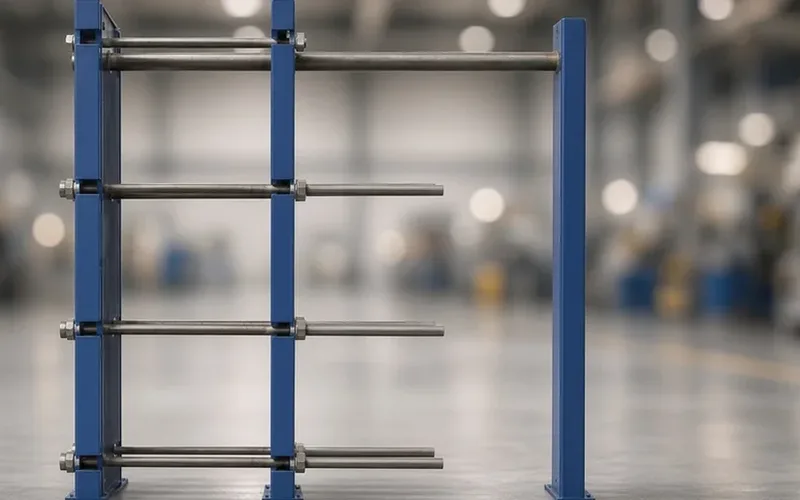
Sizing & Selection
Look Up by Manufacturer & Model
Plate heat exchanger replacement by model: find the make on your nameplate, see what to read off its frame, and request new plates, gaskets or a unit.
+ Learn More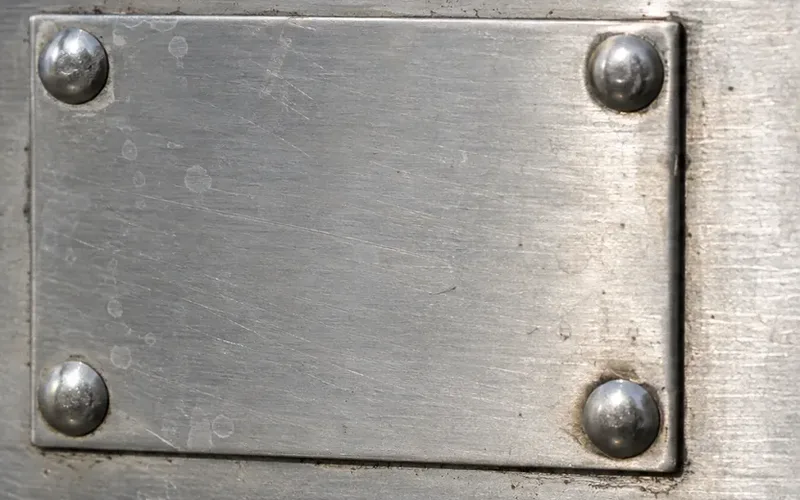
Sizing & Selection
Read the Nameplate
How to read a plate heat exchanger nameplate or a tubular unit's plate: serial, model, design pressure and temperature, year, and what to photograph.
+ Learn More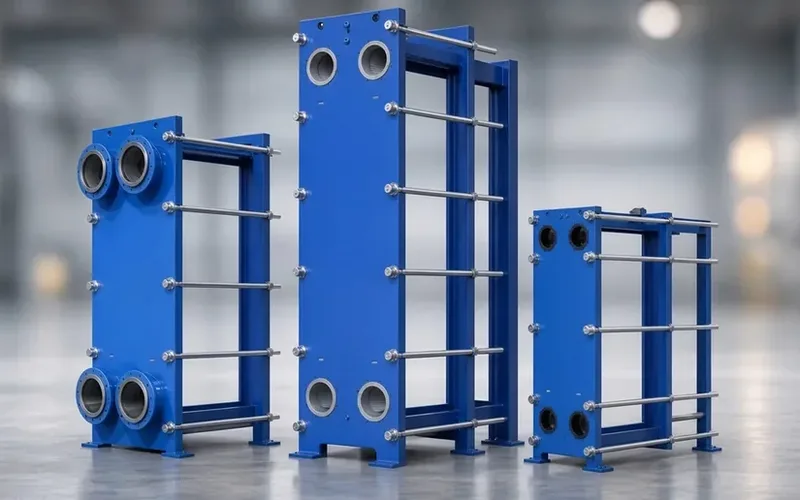
Sizing & Selection
Plates, Gap & Passes
How a replacement pack is matched: plate heat exchanger plate count, plate model, gap, chevron, passes, port size and the compression dimension.
+ Learn More