
1-805-484-2992
Quotes - Engineering - SalesChester-Jensen plate frames in older dairies
Chester-Jensen dates its fluid heat exchange work to 1914 and names the dairy industry as its early market. Its current material describes sanitary heat exchange and processing equipment, including plate and frame heat exchangers designed to sanitary standards within its cooking and chilling systems. Its product pages focus on chillers, ice builders and cook-chill equipment, and they do not publish a plate line by name.
That leaves many plants with Chester-Jensen plate frames that have run for decades, carry a nameplate painted over or polished blank, and have no current catalog to check against. They are often sound frames on milk or cream duty in a smaller plant, with plates that have been through thousands of CIP cycles.
We do not need a catalog to supply those plates. We need measurements, and a maintenance crew can take every one of them in an hour with the frame open. From them we quote new plates made to fit, new gaskets, or an equivalent new unit if the frame itself has reached the end of its working life.
Measuring a plate when the nameplate is gone
Take these readings from one clean plate per section, plus the frame. A tape measure, calipers and a phone camera are all it takes.
Measure on the plate and frame
- Plate outline: Overall height and width
- Ports: Diameter and center-to-center, both directions
- Pack pitch: Tightened length divided by plate count
- Hanging: Slot shape at top and bottom, photographed
- Gasket: Profile, groove width and how it is held
- Frame: Tightened length and free carrying bar
What we supply
- New plates: Made to fit the measured outline and ports
- New gaskets: Profile matched to the groove you photograph
- Equivalent new unit: When the frame or its bar is worn out
- Needed to quote: Product, flows, temperatures both sides, utility
- New-unit build: 316L product side, 3-A 11-10 where required
A blank nameplate does not mean a blank quote
Ports, outline, pitch and gasket profile identify a plate as surely as a model number. Send the readings with photographs and the duty, and we match the pack from them.
Is the old frame worth keeping?
Check the frame before you buy plates for it. Look for a carrying bar worn into a groove by decades of plates sliding open, tightening bolts with stripped threads, a follower that racks when closed, and corrosion at the feet. Any one of them can stop a new pack from sealing evenly.
If the frame is sound, new plates restore it at a fraction of a new unit's cost. If it is not, an equivalent new unit sized for today's flow avoids hanging new plates on an old problem, and it gives the plant a current nameplate and 3-A documents where the inspector expects them.
Old plates, new duty
Older dairy frames were often sized for milk at a lower flow then the plant now runs. When we match plates by measurement, we also check the duty. If the plant has raised flow, added a cream line or moved to a tighter cooling target of 36–40°F, the original plate count may fall short.
Regeneration is the usual casualty. A frame built for a modest regeneration figure can often reach 85–90 percent with more plates, if the bar has room. We price the matched plates and the re-sized option together so the plant can weigh one against the other.
Call and talk it through with an engineer: 1-805-484-2992
Source note: Chester-Jensen is a trademark of its owner, named only so readers can match equipment already in their plant. What is said about the maker's products reflects its own website as read in October 2026; no plate line, size or rating it does not publish is given here.
Matching an existing pack
Port centers and port diameter to about 1/32 in, outline to about 1/16 in. Those decide whether a plate hangs and seals. Pressing depth we take from the tightened pack length divided by the plate count, so measure that length with the frame closed to its working dimension.
Yes. Many dairy plates show no legible part number after years in service. The outline, ports, hanging slots, gasket groove and a photograph of the pattern are what we match to. If two or more sections use different plates, measure one from each and label it with its section.
It does for the cream section. Fat swells EPDM, so cream sections take nitrile or HNBR, while milk, hot water and CIP-heavy sections stay on EPDM. Mark each section on your sketch with the product that runs through it and we supply the right compound for each.
We can hold the connection positions and overall length where the piping needs them, and we size the plate count to the duty. If the old frame was oversized or undersized for what you now run, we tell you, and the new unit may be shorter or longer than the one it takes over from.
Related
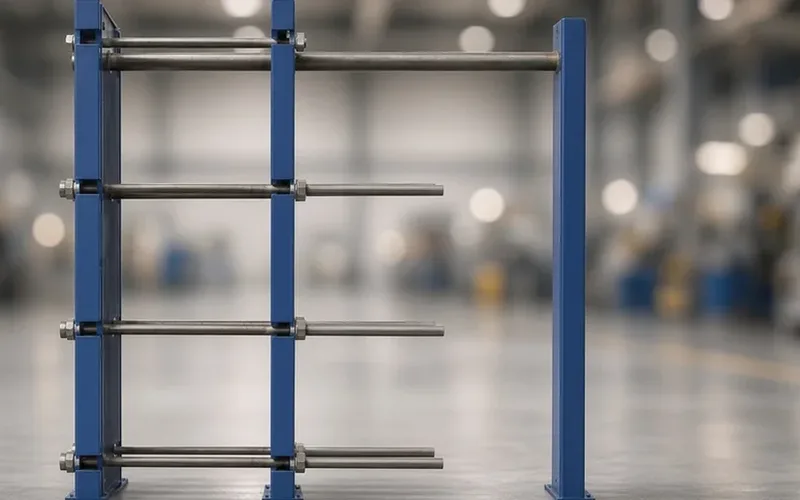
Sizing & Selection
Look Up by Manufacturer & Model
Plate heat exchanger replacement by model: find the make on your nameplate, see what to read off its frame, and request new plates, gaskets or a unit.
+ Learn More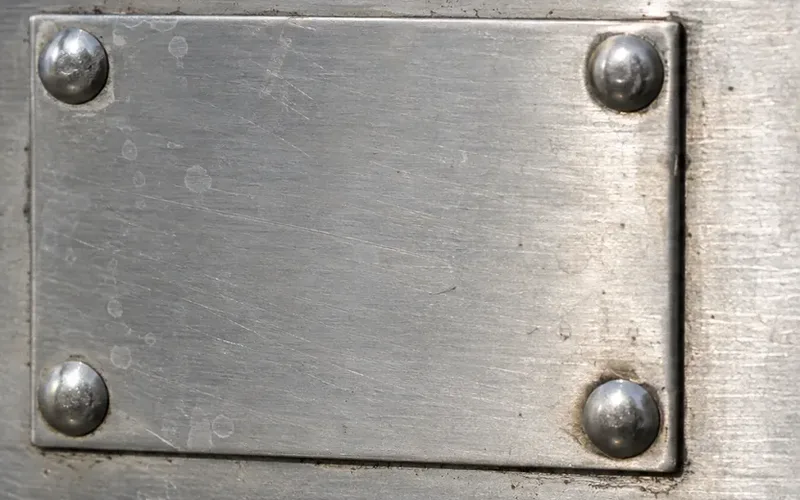
Sizing & Selection
Read the Nameplate
How to read a plate heat exchanger nameplate or a tubular unit's plate: serial, model, design pressure and temperature, year, and what to photograph.
+ Learn More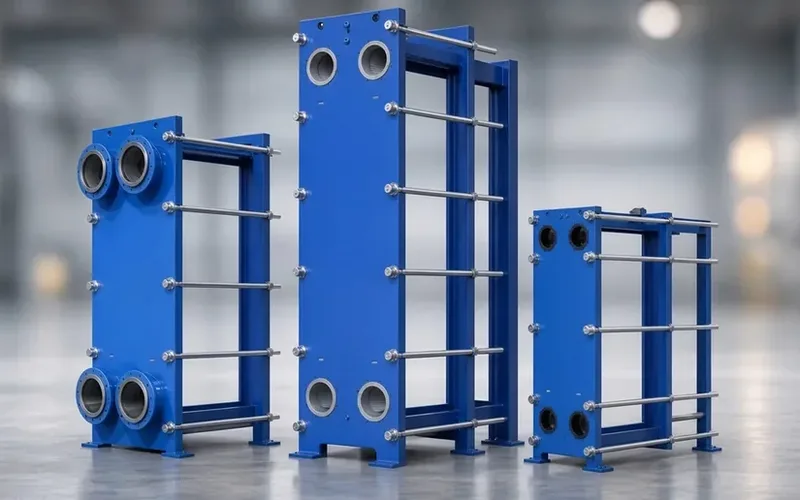
Sizing & Selection
Plates, Gap & Passes
How a replacement pack is matched: plate heat exchanger plate count, plate model, gap, chevron, passes, port size and the compression dimension.
+ Learn More